What Are Trimless Channel Letters?
Trimless channel letters, also known as frameless channel letters, represent the pinnacle of modern signage design. Unlike traditional channel letters that feature a visible metal trim cap around the face, trimless channel letters eliminate this border entirely, creating a flush, seamless profile that appears to float against the building facade.
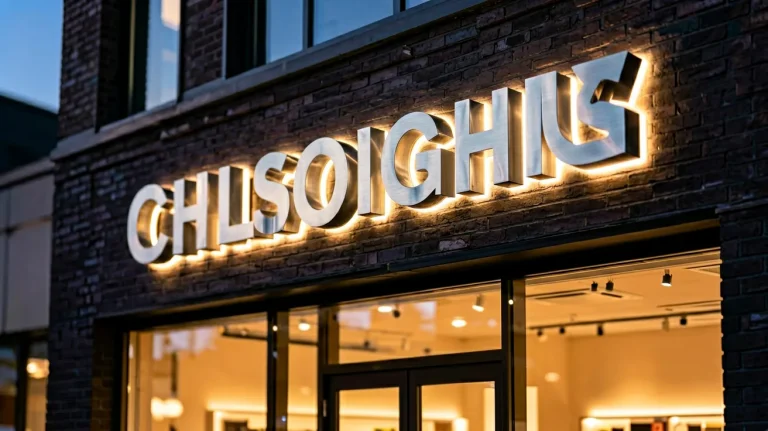
The term trimless channel letters refers to a construction method where the letter or numeral is formed from bent metal returns with no front-facing trim ring. The LED module is housed within the channel body, and the face is typically a clear or lightly tinted acrylic panel that sits flush with the letter’s front edge. This results in what designers call a “seamless channel letter signage” effect — the light appears to emanate directly from the letter form itself, without any metallic framing interrupting the visual flow.
For architects and business owners seeking a minimalist aesthetic, trimless channel letters offer an unparalleled opportunity to let the letterform speak for itself. The absence of a visible trim cap creates a cleaner silhouette that complements contemporary architecture, glass storefronts, and modern commercial facades.
Trimless vs. Standard Channel Letters: The Key Differences
Understanding the distinction between trimless and standard channel letters is essential for making an informed signage decision. The differences span aesthetics, construction, and application.
Standard channel letters (also called 加边发光字) feature a visible metal trim cap that wraps around the perimeter of each letter face. This trim serves both structural and decorative purposes — it holds the face material in place and provides a defined edge that frames the illuminated letter. The trim cap is typically made from aluminum or stainless steel and is painted or coated to match the letter’s return material.
Trimless channel letters, by contrast, remove this visible trim entirely. The construction relies on precision-bent metal returns that form the letter’s three-dimensional shape, with the face panel mounted flush against the front opening. Without the trim cap’s visual boundary, the letter appears to merge seamlessly with its background, creating that coveted floating effect.
The visual impact is striking. Standard channel letters read as distinct objects mounted on a wall; trimless channel letters read as light emerging from the building surface itself. This makes trimless options particularly popular for high-end retail, luxury hospitality, and corporate headquarters where brand perception demands sophistication.
How Trimless Channel Letters Are Manufactured
The manufacturing process for trimless channel letters demands precision engineering. Unlike standard letters where the trim cap can tolerate minor face misalignments, trimless construction requires exact dimensions at every stage.
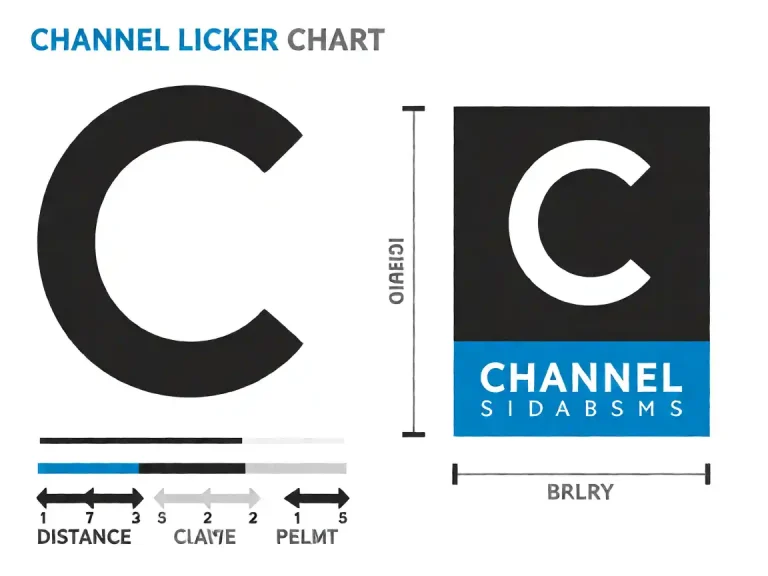
The process begins with CNC-controlled metal bending. Aluminum or stainless steel coils are cut and bent into the letter’s return shape using computer-numerical-control machines. These returns form the letter’s depth — typically 3 to 6 inches for outdoor applications — and create the hollow channel that houses the LED modules. Because there is no trim cap to conceal imperfections, the bend quality and joint integrity are critically visible.
Next, the LED modules are installed inside the channel body. These are low-voltage, high-lumen LED boards designed to provide even illumination across the entire letter face. The LEDs are wired in series or parallel circuits depending on the letter size and desired brightness output.
The face panel is then fitted. Clear or frosted acrylic sheets are cut to size and secured to the front opening using a combination of structural adhesive and hidden fasteners. Some manufacturers use a gasket system that compresses against the return’s front flange, creating a weatherproof seal without visible hardware. The acrylic thickness typically ranges from 3mm to 6mm, with thinner panels used for smaller letters and thicker panels for larger installations requiring extra rigidity.
For trimless halo lit letters, the construction shifts slightly. Instead of direct front-lit illumination, the LED modules are positioned to cast light backward, creating a glow effect around the letter’s perimeter against the building surface. The back of the channel remains open or is fitted with a reflective backing, and the face panel may be omitted entirely or use a translucent material that diffuses the halo glow.
Front-Lit and Halo-Lit Trimless Options
Trimless channel letters are available in two primary lighting configurations, each offering distinct visual character.
Front-lit trimless channel letters direct illumination outward through the face panel. This is the most common configuration for general signage applications. The light output is bright and direct, ensuring maximum readability from a distance. Front-lit trimless letters work exceptionally well for storefronts, building-mounted logos, and directional signage where clarity and visibility are paramount.
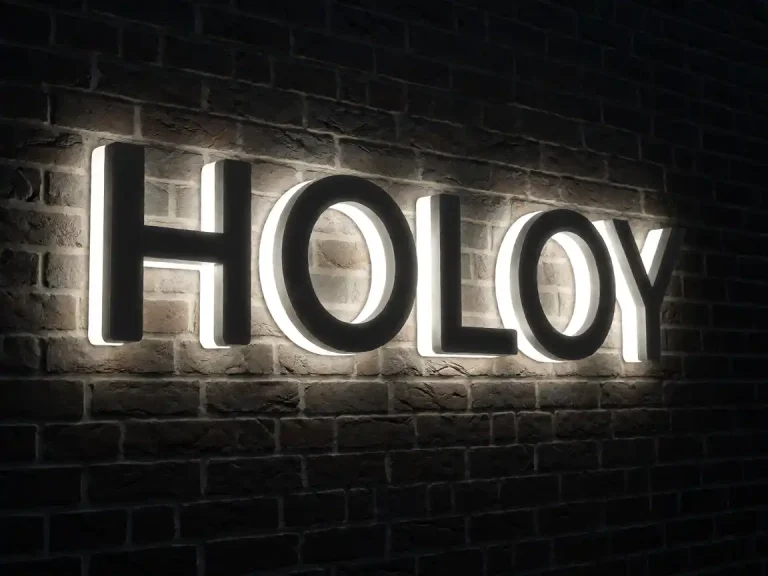
Halo-lit trimless channel letters (also called reverse halo or indirect illumination) cast light rearward onto the building surface, creating a soft glow that outlines the letterform. This approach produces a more atmospheric, upscale aesthetic. The letter itself appears as a dark silhouette surrounded by a luminous halo — a dramatic effect particularly suited to evening visibility and premium branding contexts.
Many projects combine both approaches: front-lit trimless letters for the primary brand name, complemented by halo-lit accent elements or secondary messaging. This layered lighting strategy adds visual depth and allows for hierarchical information display.
For a deeper exploration of halo-lit options, see our halo lit channel letters comprehensive guide, which covers reverse illumination techniques, weatherproofing considerations, and design applications.
Premium Positioning: Where Trimless Channel Letters Shine
Trimless channel letters occupy the premium tier of illuminated signage. Their clean aesthetic and construction complexity naturally position them for high-end applications where visual impact justifies the investment.
Modern architecture and corporate facades represent the primary market. Buildings with glass curtain walls, clean geometric lines, and minimalist design languages pair naturally with trimless letters. The absence of visible hardware complements architectural transparency and creates visual continuity between signage and structure.
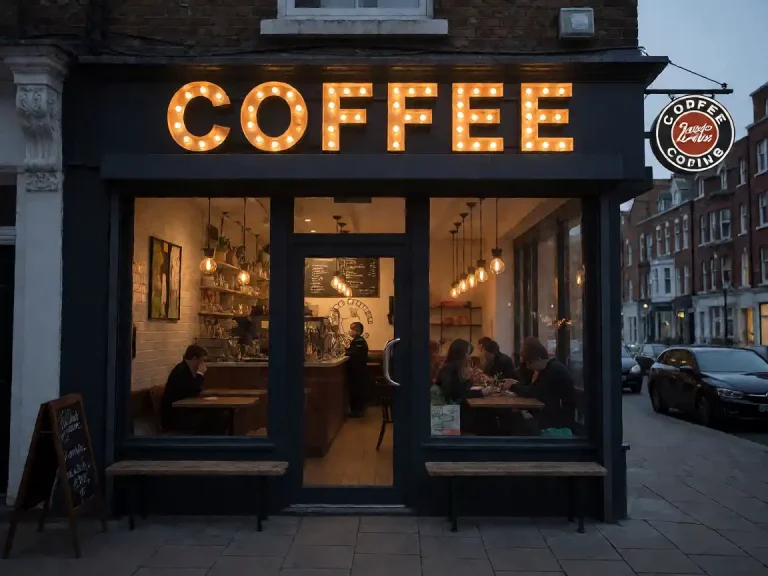
High-end retail and hospitality constitute another key segment. Luxury boutiques, flagship stores, five-star hotels, and upscale restaurants use trimless channel letters to communicate brand sophistication. The seamless appearance aligns with premium retail aesthetics where every design element reinforces brand positioning.
Mall and mixed-use developments increasingly specify trimless letters for tenant identification and wayfinding. The uniform, refined appearance creates cohesive visual environments across diverse tenant brands, reducing visual clutter in shared spaces.
For projects requiring white 3D backlit channel letters, the trimless construction provides the same clean aesthetic with the added dimensionality of pronounced letter depth — ideal for brands seeking both minimalism and presence.
Cost Considerations: Trimless vs. Standard Channel Letters
Trimless channel letters typically command a 15% to 30% premium over standard channel letters of equivalent size and complexity. Several factors drive this price difference.
The primary cost driver is manufacturing precision. Without a trim cap to conceal imperfections, every bend, weld, and joint must meet tighter tolerances. This requires more skilled labor and quality control investment. The face panel installation also demands greater care — any misalignment becomes immediately visible.
Material costs play a secondary role. Trimless construction often uses thicker gauge aluminum for the returns to maintain rigidity without trim support. Face panels may require higher optical clarity acrylic to ensure even light transmission without visible panel seams or distortions.
Despite the premium, many projects find trimless channel letters cost-effective when considering total value. The enhanced aesthetic appeal can justify higher rental or lease values for retail spaces, and the durability of quality trimless construction often matches or exceeds standard letters, reducing long-term maintenance costs.
When evaluating trimless channel letters alongside other signage options like 3D geometric channel letter set configurations, consider the specific visual impact each offers for your brand context.
Specifications at a Glance
| Specification | Trimless Channel Letters | Standard Channel Letters |
|---|---|---|
| Visible trim cap | No — seamless face | Yes — metal border around face |
| Return depth | 3–6 inches typical | 3–6 inches typical |
| Face material | Clear or frosted acrylic (3–6mm) | Colored or clear acrylic |
| LED type | High-lumen flexible or rigid PCB | Standard LED modules |
| Lighting options | Front-lit, halo-lit, or combined | Front-lit, back-lit, halo-lit |
| Price premium | 15–30% above standard | Base price |
| Maintenance access | Front or rear, depending on design | Typically rear access |
| Best application | Modern facades, luxury retail, corporate | General commercial signage |
Frequently Asked Questions
Can trimless channel letters be used outdoors?
Absolutely. Quality trimless channel letters are engineered for outdoor installation with IP65-rated LED modules and weathersealed face panels. The flush construction actually reduces wind load compared to standard letters with protruding trim caps, making them suitable for high-wind coastal or elevated applications.
What is the typical lifespan of trimless channel letters?
With proper installation and maintenance, trimless channel letters typically last 10 to 15 years. The LED modules themselves often outlive this timeframe, with modern LEDs rated for 50,000 to 100,000 hours of operation. Face panel yellowing is the most common aging factor, mitigated by using UV-stabilized acrylic.
Are trimless channel letters more difficult to install?
Installation complexity is comparable to standard channel letters, though the precision requirements mean careful measurement is essential. Because trimless letters lack the forgiveness of a trim cap, mounting surfaces must be flat and level to maintain the seamless appearance. Many manufacturers offer custom mounting brackets and installation guides to simplify the process.
Can I combine trimless letters with other signage elements?
Yes. Trimless channel letters integrate well with illuminated logos, fascias, and monument signs. Many designs combine trimless letters for the primary brand name with halo-lit or standard letters for secondary information, creating visual hierarchy while maintaining aesthetic cohesion.
What face materials work best for trimless construction?
Clear or lightly frosted acrylic delivers the most even light distribution for front-lit trimless letters. For halo-lit applications, the face panel may be omitted entirely or use diffused acrylic to soften the glow. Polycarbonate offers greater impact resistance for high-traffic or vandalism-prone locations, though at a slight premium over acrylic.
How does trimless construction affect brightness output?
Without a trim cap to reflect light inward, trimless letters rely on precise LED placement and optical-grade face panels for brightness optimization. Modern high-lumen LED modules easily achieve 800 to 1,200 lumens per linear foot, providing ample visibility for most commercial applications. The even illumination pattern of trimless construction often produces superior visual consistency compared to standard letters where trim can create shadow lines.
Conclusion
Trimless channel letters represent the intersection of advanced manufacturing and refined aesthetics. By eliminating the visible trim cap, they create a floating, seamless appearance that elevates any commercial facade. Whether you are specifying signage for a luxury retail boutique, a modern corporate headquarters, or an upscale hospitality venue, trimless channel letters deliver the premium visual impact that distinguishes leading brands.
The 15% to 30% cost premium over standard channel letters reflects the precision engineering and quality materials required, but the resulting aesthetic payoff often justifies the investment — particularly for projects where brand perception and architectural harmony are paramount.
As contemporary design trends favor minimalism and clean lines, trimless channel letters continue to gain popularity among architects, designers, and business owners who refuse to compromise on visual quality.
Explore our channel letter face materials guide for detailed comparisons of acrylic, polycarbonate, and composite face options, and learn more about custom trimless channel letter manufacturing tailored to your project requirements.