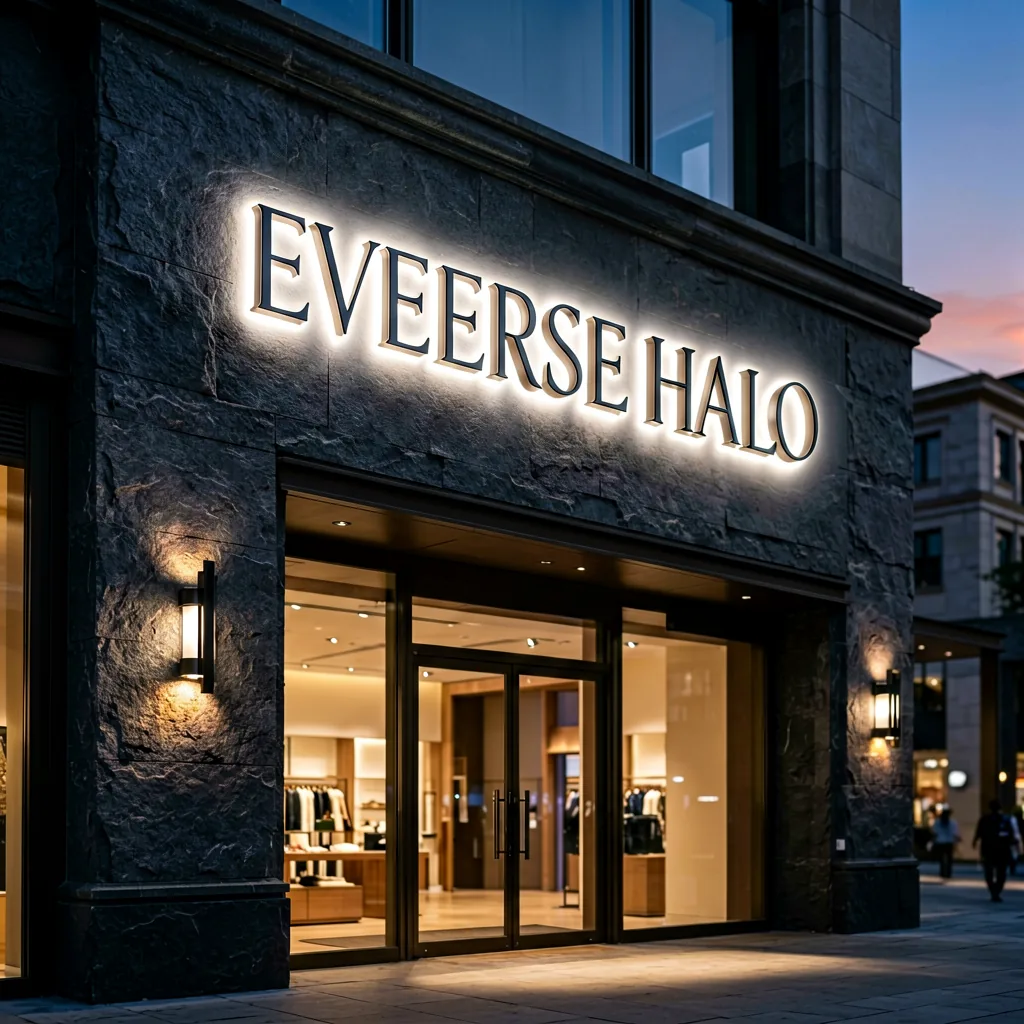
What Are Halo Lit (Reverse) Channel Letters?
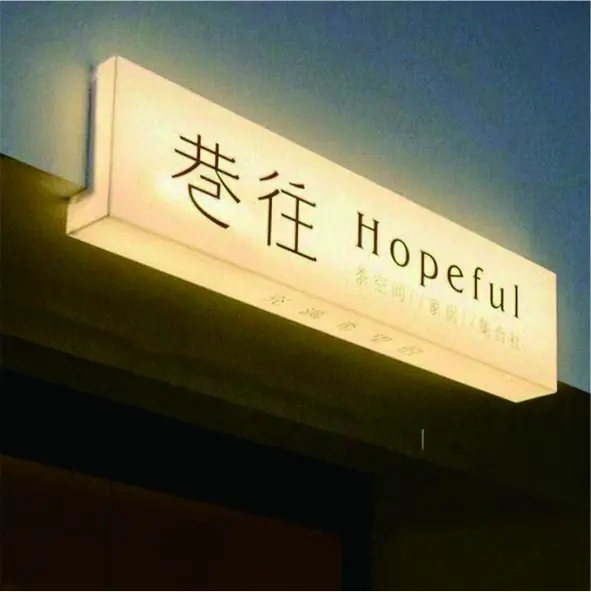
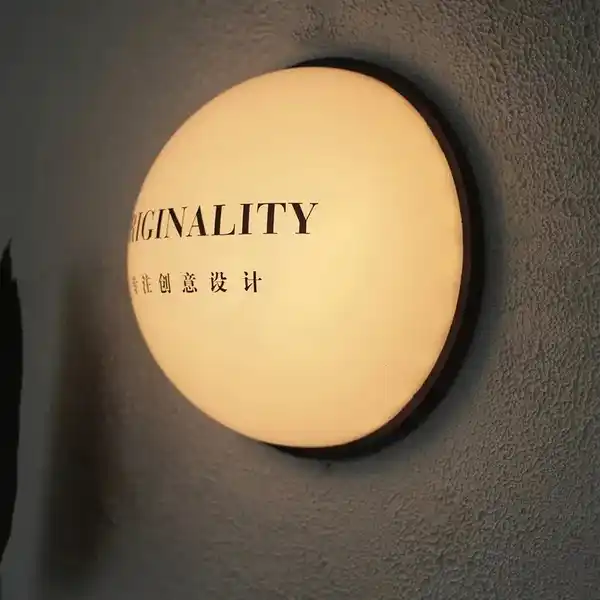
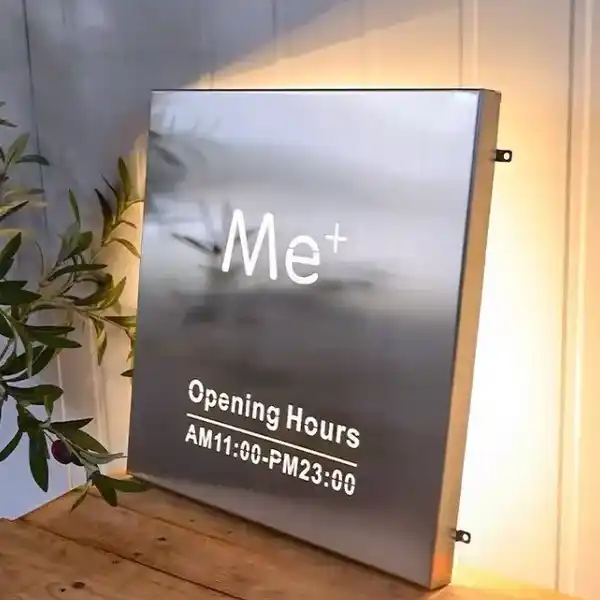
Halo lit channel letters, also called reverse channel letters or backlit letters signage, are a premium signage solution where the light source is directed backward rather than forward. Instead of shining light out toward the viewer, the LEDs illuminate the wall or façade behind the letter, creating a soft glowing halo outline around each character.
This effect is achieved by mounting the letter boxes at a distance from the building surface using standoffs or spacers, then aiming high-quality LED modules toward the wall inside the open back of each letter. The result is a clean, modern look that feels architectural rather than commercial — exactly why architects and brand designers are specifying them more often than ever.
Unlike traditional front-lit channel letters, which project bright light directly outward, halo-lit designs hide the LED modules completely inside the letter housing. This creates a uniform, diffused glow with no visible hot spots, giving your sign a refined, high-end appearance that stands out at night while remaining understated during the day.
At Y SIGNS LED, we manufacture halo lit channel letters in a range of materials including stainless steel, aluminum, and acrylic face options, with custom sizing and color temperature selections to match any brand identity.
Front-Lit vs Halo-Lit: When Each Wins
Choosing between front-lit and reverse-illuminated channel letters depends on your building facade, brand positioning, and readability requirements. Both are excellent lighting solutions — they just serve different visual goals.
| Feature | Front-Lit Channel Letters | Halo-Lit (Reverse) Channel Letters |
|---|---|---|
| Light direction | Forward — toward the viewer | Backward — onto the wall surface |
| Visual effect | Bright, high-contrast illumination | Soft halo glow with 3D depth |
| Best for | High-traffic roads, distance readability | Upscale facades, close-range viewing |
| Aesthetic tone | Commercial, bold, attention-grabbing | Premium, minimalist, architectural |
| Ideal settings | Highways, strip malls, drive-thrus | Hotels, law firms, luxury retail, banks |
| Cost range | $120 – $250 per letter | $180 – $350 per letter |
| Glare | Potential direct glare for passersby | No direct glare — light diffuses upward |
If your priority is maximum visibility from a distance, such as a roadside billboard or highway-adjacent storefront, front-lit letters are the practical choice. But if you want your building to convey sophistication and attention to detail, halo-lit channel letters deliver a far more memorable impression — and they consistently rank among the most requested sign types by design-conscious clients.
Why Businesses Choose Reverse Illuminated Signage
Reverse channel letters have surged in popularity over the past few years, and the reasons go beyond aesthetics. Here are the key advantages that make halo-lit signage a smart investment for upscale businesses.
Premium Aesthetic and Brand Positioning
A halo-lit sign immediately signals that a business cares about design quality. The soft, indirect glow creates a sense of depth and luxury that front-lit signs simply cannot replicate. Law firms, boutique hotels, high-end restaurants, and financial institutions choose reverse illumination because it communicates trust, professionalism, and refinement — qualities that resonate with discerning customers.
Architectural Integration
One of the biggest strengths of halo-lit letters is how well they integrate with various facade materials. Stone, brick, glass, and metal cladding all interact with the backlit glow in visually striking ways. The light wraps around the letter edges and casts subtle shadows, creating a three-dimensional effect that turns your signage into an architectural feature rather than an add-on.
No Direct Glare
Unlike front-lit signs that can cause visual discomfort for pedestrians and drivers, halo-lit channel letters direct light away from eye level. This makes them ideal for pedestrian-heavy zones, restaurant patios, and hotel entrances where guest comfort is a priority. Many municipalities also prefer reverse-illuminated signs for this reason, as they reduce light pollution concerns.
Clean, Minimalist Appearance
With the LED modules hidden inside the letter boxes and only a soft glow visible on the wall, halo-lit signs maintain a clean, uncluttered look. There are no exposed lenses or bright face panels — just pure, even illumination that enhances the building’s architecture. Stainless steel reverse channel letters are particularly popular for this reason, as the brushed or polished metal complements the glow beautifully.
Halo Lit Channel Letters Cost Factors
Understanding the cost drivers for halo lit channel letters helps you budget accurately and make informed material choices. While prices vary by region and supplier, the following factors have the most impact on your final quote.
| Cost Factor | Impact on Price | Notes |
|---|---|---|
| Material (stainless steel) | High | Most popular for halo-lit; brushed or mirror finishes |
| Letter size (height) | High | Larger letters = more material + larger LED modules |
| Letter depth (box depth) | Medium | Deeper boxes allow better light diffusion and stronger halo effect |
| LED module quality | Medium | Brand-name LEDs (e.g., Epistar) cost more but last longer and maintain color consistency |
| Color temperature | Low | 3000K (warm white) is standard; 4000K (neutral) available at similar pricing |
| Dimming / smart control | Medium | DMX or photocell dimming adds ~15-25% to total cost |
| Mounting hardware | Medium | Standoff spacers required; raceway wiring adds complexity |
| Quantity (per-letter discount) | High | Bulk orders of 8+ letters typically receive 10-20% per-letter discount |
As a general reference, single halo-lit letters in 12- to 18-inch heights typically range from $180 to $320 per character in stainless steel, depending on the specifications above. Larger custom lettering for corporate facades can run $250 to $450 per character. For a detailed breakdown of installation and total project costs, including raceway wiring options, check our backlit channel letters installation cost guide.
At Y SIGNS LED, we provide transparent per-letter pricing with no hidden fees, and we offer volume discounts for projects with 8 or more characters. Every order includes a detailed technical drawing and sample photos before production begins.
Mounting Considerations for Halo Letters
Proper mounting is critical to achieving the full halo effect. Unlike front-lit letters that can be surface-mounted flush against a wall, reverse-illuminated channel letters require strategic standoff spacing to allow light to spread evenly across the facade surface.
Standoff Clearance Requirements
For a clean, well-diffused halo glow, letters typically need to be mounted 2 to 4 inches away from the wall surface. This clearance allows the light to escape the back of the letter box and spread outward before hitting the facade. Too little distance (less than 2 inches) creates a concentrated hotspot directly behind each letter; too much distance (over 6 inches) can weaken the halo intensity and make the glow appear diffuse and washed out.
Raceway vs. Standoff Spacers
There are two primary mounting approaches for backlit storefront channel letters:
- Raceway mounting: A single aluminum channel runs horizontally behind the letters, housing all wiring and power supplies. This is the most common and cost-effective approach for long signs, as it conceals all electrical components behind a single sleek housing. Raceway-mounted halo letters typically sit 3 inches from the wall.
- Individual standoff spacers: Each letter is mounted on its own set of standoffs (usually 2 or 4 per letter). This approach offers more design flexibility — letters can be spaced irregularly or mounted on complex facades — but it requires more hardware and labor.
Wiring and Power Access
Before installation, confirm that your building has accessible power near the signage location. Raceway-mounted systems route power along the back of the letters to a central transformer, which should be installed within 10 feet of the sign location for optimal voltage delivery. If your facade is brick or stone, an electrician may need to run concealed wiring through the wall cavity to reach the transformer location.
Always work with an experienced signage installer when mounting halo-lit letters, as improper spacing or wiring can significantly affect the final lighting quality and longevity of the LED modules.
How to Order Halo Lit Channel Letters
Ordering custom halo lit channel letters from Y SIGNS LED is straightforward. To receive an accurate quote and production timeline, please provide the following information:
- Text and dimensions: The exact text of your sign, along with desired letter height (typically 6 to 36 inches) and overall sign width.
- Material and finish: Stainless steel (brushed, mirror, or satin), aluminum, or other material preferences. We also offer painted or powder-coated back panels in custom RAL colors.
- LED color temperature: 3000K warm white is our most popular choice for halo-lit signage, creating a soft, inviting glow. 4000K neutral white is available for a more contemporary look.
- Mounting surface: Describe your facade material (brick, glass, stucco, metal panel, etc.) so we can recommend the optimal standoff spacing and hardware.
- Dimming requirements: Specify if you need photocell automatic on/off, DMX dimming for scene control, or standard constant-on operation.
Production lead time for custom halo-lit channel letters is typically 15 to 25 business days, depending on order size and complexity. Each order includes pre-drilled mounting holes, a complete hardware kit, and detailed installation instructions. We also provide on-site support via video call during installation if needed.
Ready to elevate your brand with premium reverse-illuminated signage? Contact Y SIGNS LED today for a free, no-obligation quote. Share your dimensions, design preferences, and any questions — our team will respond within 24 hours with a detailed proposal tailored to your project.