Few signage styles command attention at night quite like backlit channel letters. When the sun goes down, these raised letters turn their surrounding shape into a soft halo of light, giving a facade a premium, unmistakably modern look. In this guide, we break down exactly what backlit letters are, how they work, how they compare to front-lit options, what materials to choose, where to install them, and a realistic backlit sign cost guide for 2026 — plus practical installation and maintenance tips.
What Are Backlit Channel Letters
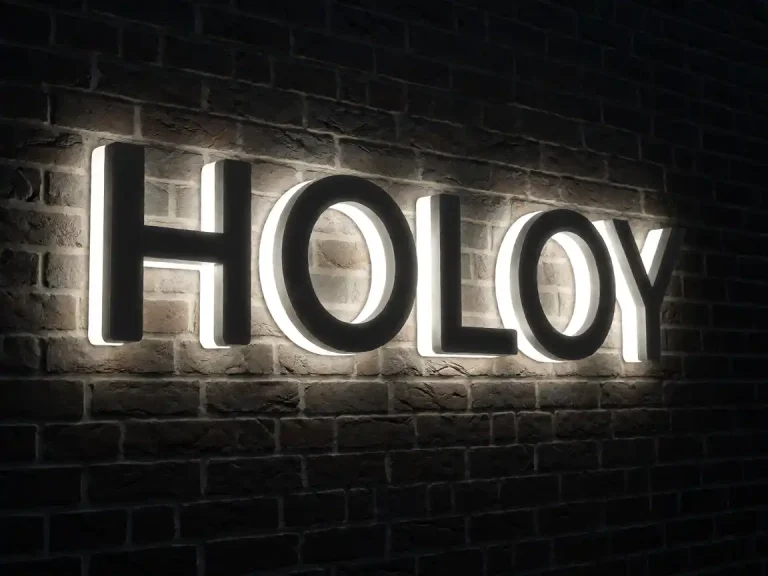
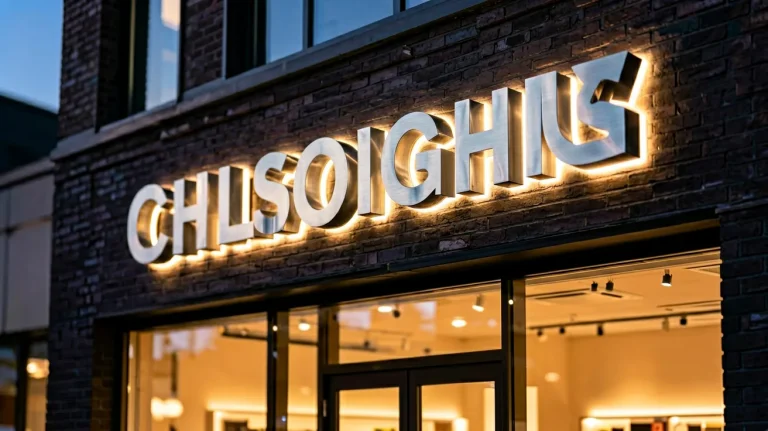
Backlit channel letters (often called halo-lit, halo-backlit, or reverse channel letters) are three-dimensional metal letters with an open face. The face is typically covered with clear acyrlic that lets light pass through, while the LEDs inside are mounted to shine outward toward the wall rather than out through the front. The result is a crisp, glowing silhouette around each character — the classic halo effect signage favored by banks, boutique hotels, law firms, and premium retail.
Because the light is projected onto the mounting surface, backlit letters read best against a dark or tinted facade. On a white wall, the halo can wash out; against dark stone, brick, or glass, the effect is dramatic and elegant. If your brand leans modern, minimal, or upscale, backlit letters are usually the right call over a brightly lit face.
How Backlit LED Letters Work
The mechanism is simple but precise. Inside each channel letter sits a row of LED modules, wired in series and powered by a low-voltage driver. The LEDs face the back of the letter — the wall side — where they illuminate the inside surface of the aluminum or stainless steel shell. A clear or frosted acyrlic face plate sits on the front, and an open back lets the light spill onto the wall behind.
Think of it as a diagram with three layers: a solid metal cap (the visible front of the letter), the hollow channel body that houses the LEDs, and the open rear opening pressed against the wall. The LEDs project through that open rear onto the wall, tracing the exact shape of each character in light. Meanwhile, the acrylic face stays cool and dark, so the text itself remains defined while its perimeter glows. Most systems run on 12V or 24V drivers for safety and efficiency, and weatherproof gaskets keep moisture out of the channel.
Backlit vs Front-Lit vs Combo: Key Differences
Choosing the right illumination style is one of the biggest decisions in any illuminated letter sign project. Here’s the practical breakdown:
- Backlit (halo): Light glows from behind the letter onto the wall. Sleek, upscale, and low-glare — ideal for evening visibility and high-end branding.
- Front-lit: LEDs light through the colored acyrlic face, making each letter itself bright and vibrant. Maximum visibility in daylight and in busy, high-competition storefronts.
- Combo (front + back): The letter face lights up and throws a halo. Maximum impact and 24-hour presence, but the highest LED count and cost.
For a fuller comparison of brightness, readability, and cost, read our dedicated piece on backlit vs front-lit LED channel letters.
Materials for Backlit Signs (Aluminum, Stainless Steel, Acrylic)
Material choice drives both the look and the backlit sign cost:
- Aluminum: The most common choice. Lightweight, corrosion-resistant, and easy to fabricate into crisp letter forms. Powder-coated in any brand color, aluminum keeps costs moderate.
- Stainless Steel: Heavier and pricier, but with a refined brushed or mirror finish that pairs beautifully with halo lighting. Often specified for premium facades and interior lobby signs.
- Acrylic: Used for the face plates. Clear or frosted acyrlic controls how much light escapes; thicker acrylic strengthens the letter and improves halo diffusion. UV-stable grades prevent yellowing over time.
See our Stainless Steel Back-Lit Letter Signs for the full specification and current pricing.
Where to Install Backlit Letters (Facade, Interior, Canopy)
Backlit letters are versatile across three primary locations:
- Exterior facade: Mounted flat to the building face, projecting a halo against dark siding or glass. Best on surfaces you can see clearly at night.
- Interior: A growing trend in offices and lobbies, where halo letters create a refined reception backdrop without competing with ambient light.
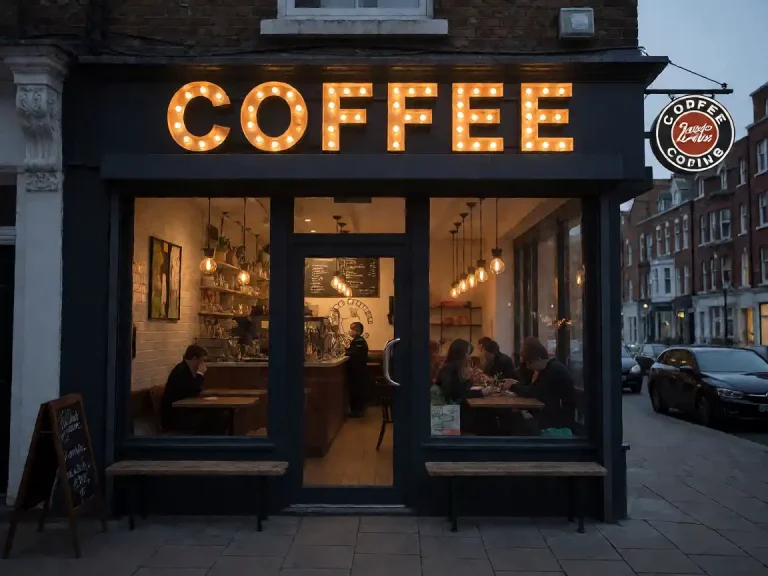
- Canopy / projecting: Mounted on a storefront canopy or as a projecting sign, where the halo traces each letter against a defined architectural surface for added depth.
Whichever location you choose, correct spacing, leveling, and wiring access are essential for a clean result.
Backlit Channel Letter Cost Guide 2026
Pricing depends on letter height, material, LED density, and mounting complexity. Use the table below as a 2026 planning baseline. For an exact quote, contact our team.
| Letter Height | Material | Typical Cost per Letter | Notes |
|---|---|---|---|
| 8″ – 12″ | Aluminum | $350 – $600 | Small storefronts, interior signs |
| 12″ – 18″ | Aluminum | $600 – $1,000 | Most common commercial size |
| 18″ – 24″ | Aluminum | $1,000 – $1,600 | High-visibility facades |
| 12″ – 18″ | Stainless Steel | $1,100 – $1,800 | Premium finish premium price |
| 18″+ | Aluminum / Steel | $1,600 – $2,800 | Flagship signage, custom builds |
Beyond per-letter cost, factor in design, fabrication, permits, mounting hardware, a transformer/driver, and installation labor. A complete backlit sign installation for a typical 8-10 letter company name usually lands between $8,000 and $25,000 installed. For a full line-item breakdown, see our 2026 channel letter cost guide.
Installation & Maintenance Tips
A halo sign only looks premium if it’s installed and maintained well. Follow these best practices:
- Plan the mounting surface: Backlit letters perform best against a dark or tinted wall; verify wall material before drilling and confirm it can support the load.
- Use weatherproof gaskets and sealed drivers: Moisture is the top killer of outdoor LEDs — insist on IP-rated components and drip loops in the wiring.
- Wire for service access: Install a discreet access panel or a junction box so the driver and LEDs can be reached for future repairs.
- Keep LEDs on a surge protector: A Single lightning or power surge can take out a whole run; a surge protector is cheap insurance.
- Schedule an annual clean: Dust and grime dull the halo. Wipe the acrylic faces with a soft, non-abrasive cloth and check gaskets for wear.
- Replace LEDs in batches: LEDs dim gradually; swapping a full run at once keeps brightness even and avoids spotty halos.
Ready for a quote? Whether you’re planning a storefront refresh or a full facade build, our team will help you spec the right backlit letters for your brand and budget. Contact us today to get started.