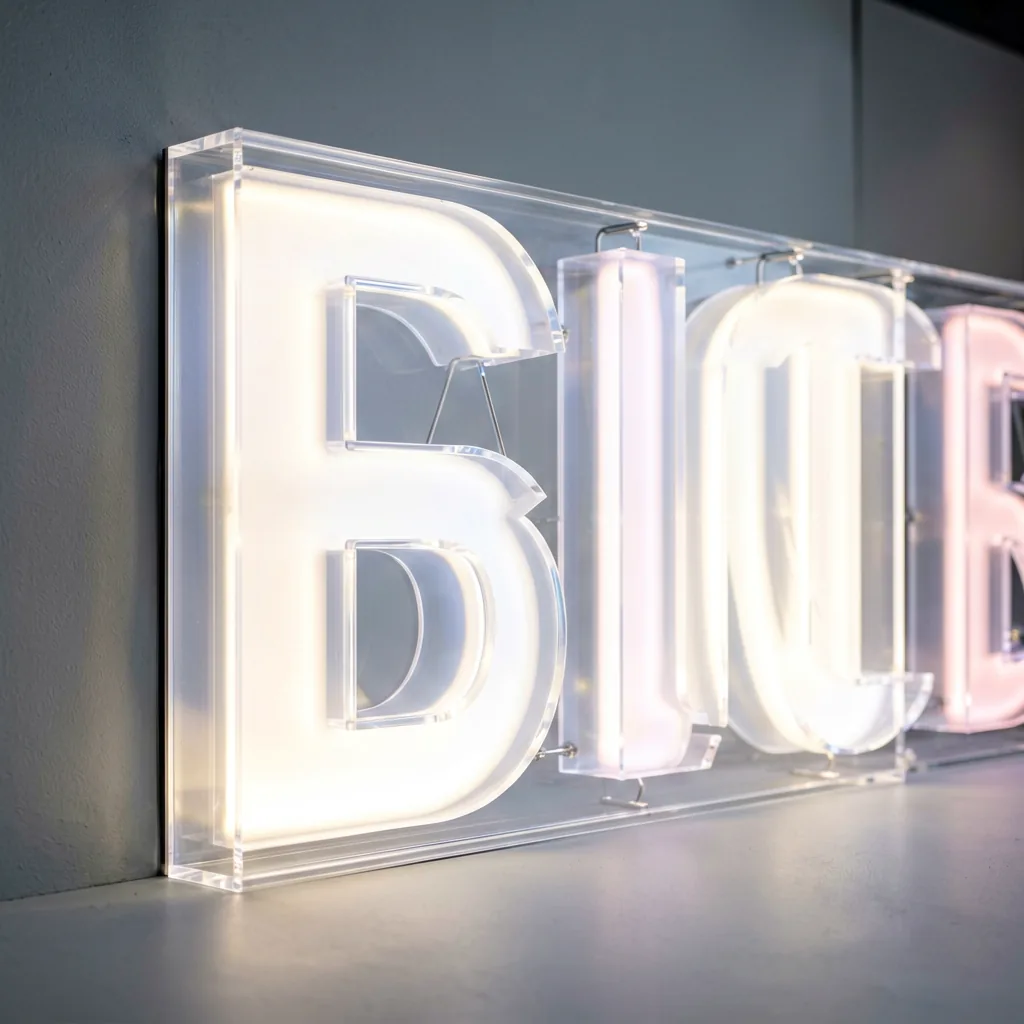
Anatomy of a Channel Letter
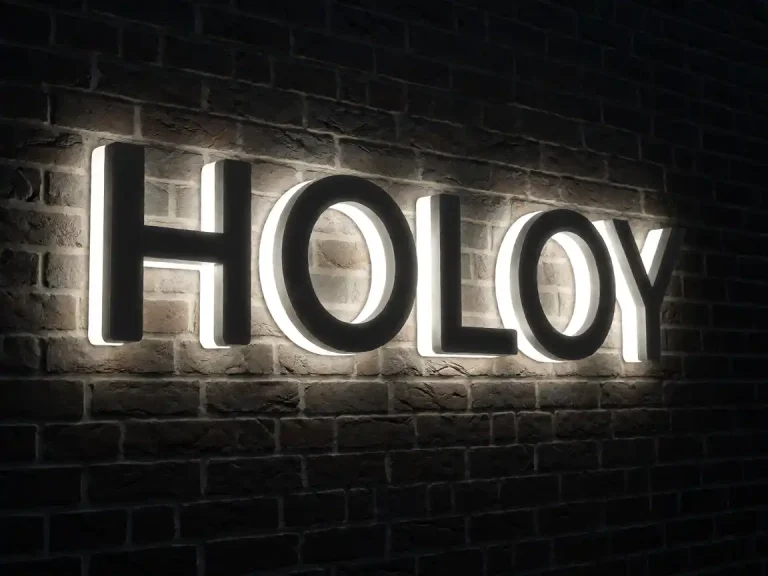
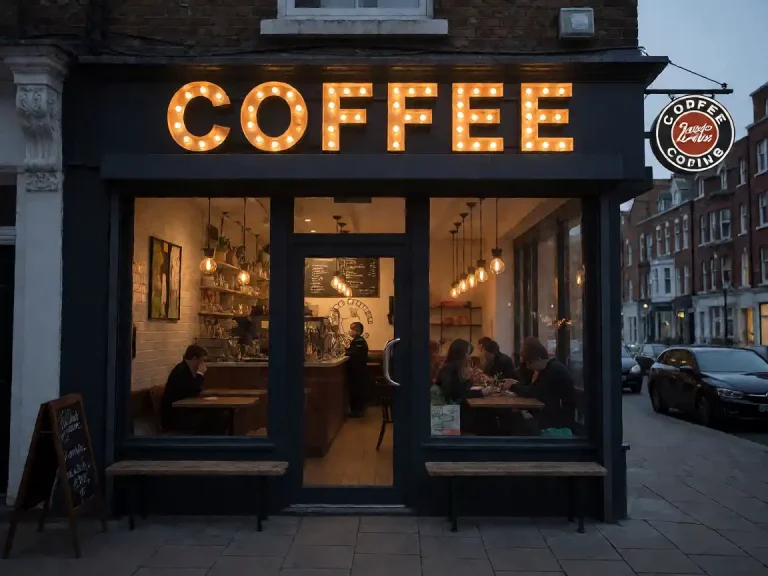
A channel letter is more than just glowing text — its performance and appearance depend on three core components: the face (the front panel), the returns (the side walls, usually aluminum or metal), and the lighting system inside. Of these, the face material is the most visible and most consequential choice. It controls how light spreads, how the sign looks in daylight, and how it holds up against weather, impacts, and time.
Choosing the right channel letter face material is not just about aesthetics — it directly affects illumination quality, maintenance costs, and long-term durability. Whether you are specifying signs for a retail storefront, a restaurant, or an industrial facility, understanding your options ensures you get a sign that looks sharp and performs reliably for years.
Face Material Options
Four main channel letter face material categories dominate the market. Each offers a different balance of appearance, light output, durability, and cost.
| Face Material | Appearance | Light Diffusion | Durability | Cost | Best Use |
|---|---|---|---|---|---|
| Acrylic (front-lit) | High-gloss, crystal clear | Excellent, even diffusion | High (UV-stable grades) | $$ | Retail, office, restaurants |
| Polycarbonate | Glossy or matte, impact-proof | Very good, slightly softer | Very high (anti-shatter) | $$$ | High-traffic, coastal, large faces |
| Dual-sided face + metal returns (halo) | Front-lit face with halo glow | Front: even; halo: outline | High (sealed system) | $$$ | Premium storefronts, brand flagship |
| Metal face (unlit or halo) | Brushed, polished, or painted | N/A (reflective only) | Very high (weatherproof) | $$-$$$$ | Halo-lit, industrial, modern designs |
Acrylic remains the most popular choice for front-lit channel letters because it delivers crisp, consistent illumination with a polished, premium finish. For chrome-accented letter signs, acrylic faces pair with metallic trims to create striking visual contrast that draws attention from a distance.
Acrylic vs Polycarbonate: A Detailed Comparison
When deciding between acrylic and polycarbonate for your channel letter face, five factors should drive your choice:
- Light transmission: Acrylic transmits up to 92% of light, slightly higher than polycarbonate (88-90%). This makes acrylic the sharper choice when maximum brightness is the goal.
- UV resistance: Both materials resist yellowing when specified in UV-stable grades. However, low-quality acrylic may degrade after 5-7 years in direct sunlight. Polycarbonate has inherently better UV stability and retains clarity longer in harsh environments.
- Impact resistance: Polycarbonate is up to 250 times stronger than acrylic. If your sign is located in a high-traffic area, near playground equipment, or in a region prone to vandalism, polycarbonate is the safer investment.
- Temperature tolerance: Acrylic becomes brittle below -20°C and can crack in extreme cold. Polycarbonate remains flexible down to -40°C, making it ideal for cold-climate installations.
- Cost difference: Acrylic faces typically cost 20-30% less than polycarbonate for equivalent thickness and size. For large-scale orders or budget-conscious projects, acrylic delivers strong value without sacrificing appearance.
Illumination Quality and Face Material
The face material works in tandem with the LED array inside the channel letter to determine overall illumination quality. A well-designed LED layout paired with the right face material produces even brightness across every character — no hot spots, no dark patches.
Acrylic faces excel at creating a uniform glow because their smooth, flat surface scatters LED points into a soft, consistent field. Polycarbonate faces also diffuse light well, though the output can appear slightly warmer due to the material’s subtle yellow tint. For perforated illuminated signs, the face material interacts with the pattern to create texture effects that standard solid faces cannot achieve.
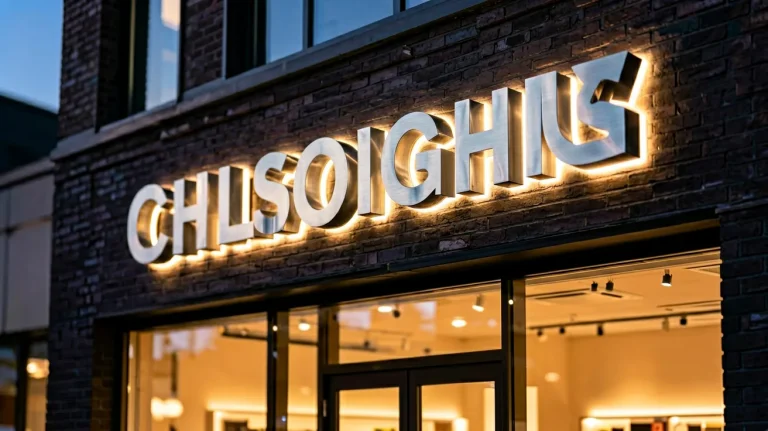
If your design requires a halo-lit effect, where the outline of the letter glows against the wall, the face material becomes secondary — the illuminated return channel does the work. In this case, the face itself may be opaque metal or clear acrylic with a frosted finish, depending on the desired aesthetic.
Durability and Maintenance Considerations
Outdoor channel letters face sun, rain, wind, salt (in coastal areas), and temperature swings. The face material you select should match the environment.
Acrylic signs require periodic cleaning with a soft cloth and mild soap solution. Avoid abrasive cleaners, which can scratch the surface. Polycarbonate is more forgiving — its higher scratch resistance means routine cleaning causes less wear over time. Both materials resist fading when specified in weather-rated grades.
For coastal installations, salt spray accelerates corrosion on metal returns and can degrade lower-grade acrylic. Polycarbonate faces paired with aluminum or stainless steel returns are the recommended combination for seaside environments. Inland installations in temperate climates can confidently use standard UV-stable acrylic without concerns.
Making the Right Choice
The best face material depends on your specific application. Use this quick decision guide:
- Retail storefronts and shopping centers: Acrylic — bright, clean, cost-effective for high-visibility branding.
- Office buildings and corporate signage: Acrylic or dual-sided face — professional appearance with consistent day and night visibility.
- Restaurants and hospitality: Acrylic with frosted or colored options — creates atmosphere and draws foot traffic.
- Industrial and warehouse facilities: Polycarbonate — built to withstand impacts, temperature extremes, and heavy maintenance cycles.
- Coastal or high-wind locations: Polycarbonate with aluminum returns — maximum durability against salt, UV, and storm conditions.
Still unsure which channel letter face material suits your project? Contact Y SIGNS LED to discuss your requirements, budget, and location — we will recommend the optimal face material and help you get a precise quote for your sign order.