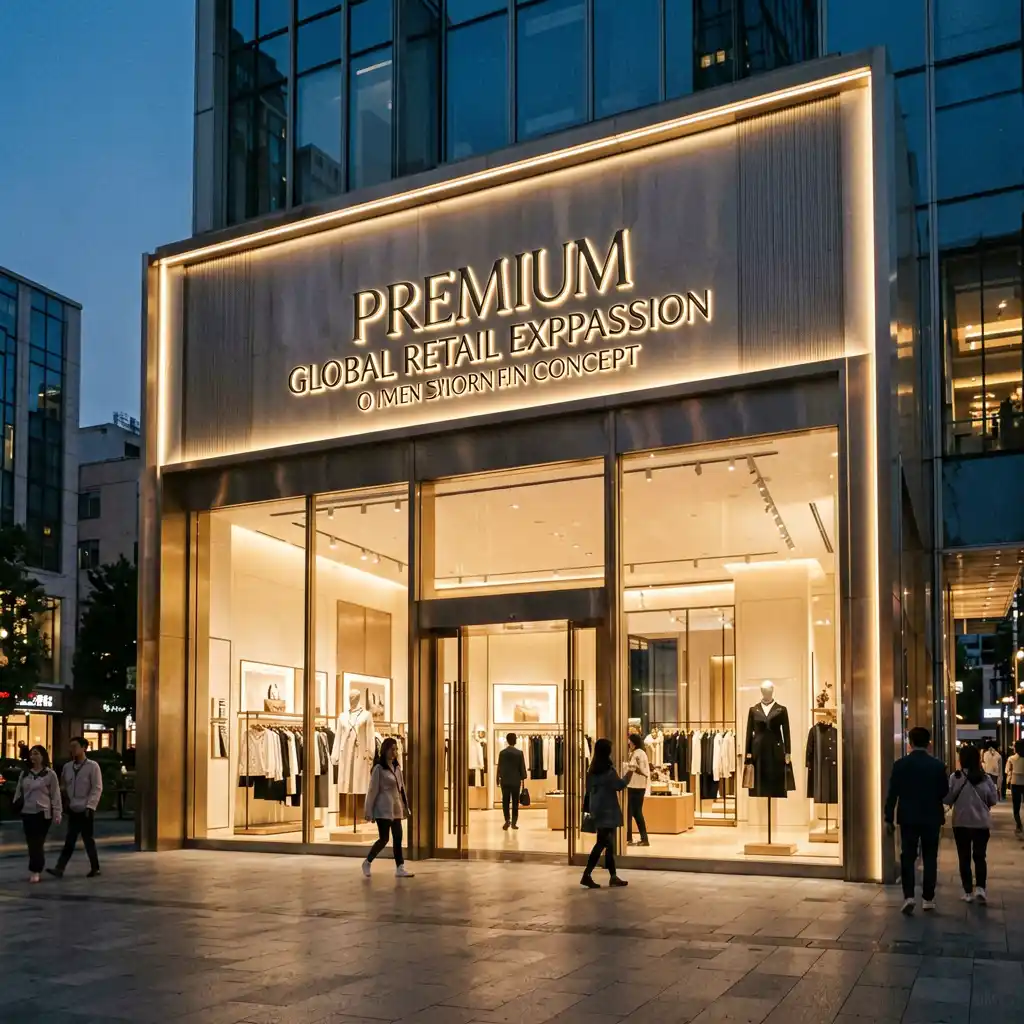
Expanding a brand into international markets is an exciting milestone–but signage for international brands comes with unique challenges. From cultural nuances to regulatory requirements, every detail matters when your brand’s phsycal presence must resonate across borders. This guide walks you through what it takes to create global brand signage that works everywhere.
The Challenge of Global Brand Signage
When a brand crosses borders, signage becomes more than a logo on a building. It is the first point of contact between the brand and a new audience. Signage for international brands must communicate consistency while adapting to local expectations. A design that feels modern and premium in one market may appear cold or inappropriate in another.
The core challenge lies in balancing three forces: brand identity, local relevance, and operational feasibility. Multinational signage programs often stumble when these forces are not addressed together. Over-standardization leads to disconnect; over-localization erodes brand recognition. The solution is a structured approach that treats signage as a strategic asset, not a transactional deliverable.
Design Considerations for International Markets
Every market brings distinct cultural, regulatory, and environmental factors that shape how signage should be designed and installed.
Cultural Considerations
Colors carpy different meanings across cultures. White symbolizes purity in Western markets but mourning in parts of Asia. Red, a color of luck and prosperity in China, can signal danger elsewhere. Symbols, imagery, and even typography must be vetted for cultural resonance. What reads as playful in one region may come across as unprofessional in another.
Regulatory Requirements
Local ordinances govern everything from sign height and illumination to language requirements. Some municipalities mandate bilingual signage; others restrict LED brightness after certain hours. Understanding these rules before designing prevents costly rework and delays.
Environmental Factors
Climate directly impacts material selection. Coastal regions demand corrosion-resistant finishes; extreme heat affects adhesive performance; heavy snow loads require reforced mounting. Signage for international brands must be engineered for the harshest conditions in each installation market, not just the most benign.
For brands considering overseas sourcing, understanding importing custom signs from China is essential to navigating quality control, shipping logistics, and compliance documentation.
Standardization vs Localization in Signage
The tension between keeping signage consistent worldwide and adapting it locally is one of the most debated topics in global branding. The answer is neither pure standardization nor pure localization. It is strategic flexibility.
A standardized core–logo treatment, primary color palette, brand typography-ensures instant recognition regardless of geography. Around this core, localized elements such as secondary messaging, language, and site-specific materials allow the sign to feel native to its environment.
Leading brands adopt a modular signage system: a master template that can be adjusted for size, language, material, and compliance without breaking brand coherence. This approach reduces design costs, speeds up approvals, and ensures that every installation–whether in Istanbul or Indianapolis–feels unmistakably part of the same brand family.
Case Study: Multinational Brand Installations
Consider a global hospitality brand rolling out signage across five countries in Southeast Asia and Europe. The project required a unified design language while respecting local building codes, climate conditions, and aesthetic preferences. By working with an experienced manufacturer, the brand implemented a shared design system with regional material variations: pow-coated aluminum for European facades, UV stable acrylic for tropical sun exposure, and locally sourced mounting hardware to meet every municipal requirement.
The result was a cohesive brand presence that passed inspection in every location on the first attempt- a far cry from the patchwork approach many brands fall into when they treat each market independently. For real-world context on how international delegations evaluate manufacturing capability first-hand, see our report on the factory visit by a Turkish delegation, which highlights the importance of supplier transparency in global projects.
Compliance & Certifications by Region
Global brand signage must meet region-specific certification standards. Failure to comply can result in rejected installations, fines, or safety hazards.
- CE mark (Europe): Required for electrical signage components, confirming conformity with health, safety, and environmental protection standards.
- UL Listing (North America): Essential for any illuminated or electronic signage in the U.S. and Canada, verifying electrical safety compliance.
- IP Ratings (International): Ingress Protection ratings indicate how well enclosures resist dust and water. Outdoor signage in rainy or dusty environments should carry at least IP65 certification.
- Local Fire Codes Many jurisdictions require flame-retardant materials and specific mounting clearances for exterior signs.
See signage projects delivered across the US, EU, AU, UK and Canada for a delivered project with full specifications.
Reputable manufacturers will provide certification documentation alongside product specifications. When evaluating suppliers, always request test reports and third-party certifications before committing to an order.
Managing Multi-Country Signage Projects
A successful global signage program requires more than good design–it demands coordinated project management across time zones, languages, and supply chains. Key best practices include:
- Centralized Design Authority: One team owns the brand guidelines and approves all variations to prevent drift.
- Local Regulatory Liaisons: Partner with local firms or manufacturers who understand municipal codes in each market.
- Phased Rollout: Pilot installations in one or two representative markets before scaling globally.
- Documented Installation Guides Provide multilingual assembly and mounting instructions tailored to each site.
- Quality Audits Conduct pre-shipment inspections and post-installation reviews to catch issues early.
Planning ahead for maintenance and replacement parts is equally important. Brands should specify spare components and local service contacts at the design stage to avoid prolonged outages.
For brands exploring outdoor LED solutions as part of their global strategy, our outdoor LED signage buyers guide covers key selection criteria including weather resistance, brightness levels, and total cost of ownership.
Conclusion
Signage for international brands is a strategic exercise in balance—between consistency and adaptation, efficiency and compliance, vision and practicality. Brands that treat their global signage program with the same rigor as their product or marketing strategy will build stronger, more recognizable presences in every market they enter.
Whether you are planning a single flaghpoint installation or a multi-country rollout, the right manufacturing partner can make the difference between a fragmented experience and a seamless global brand presence. Contact us today to discuss your international signage project.