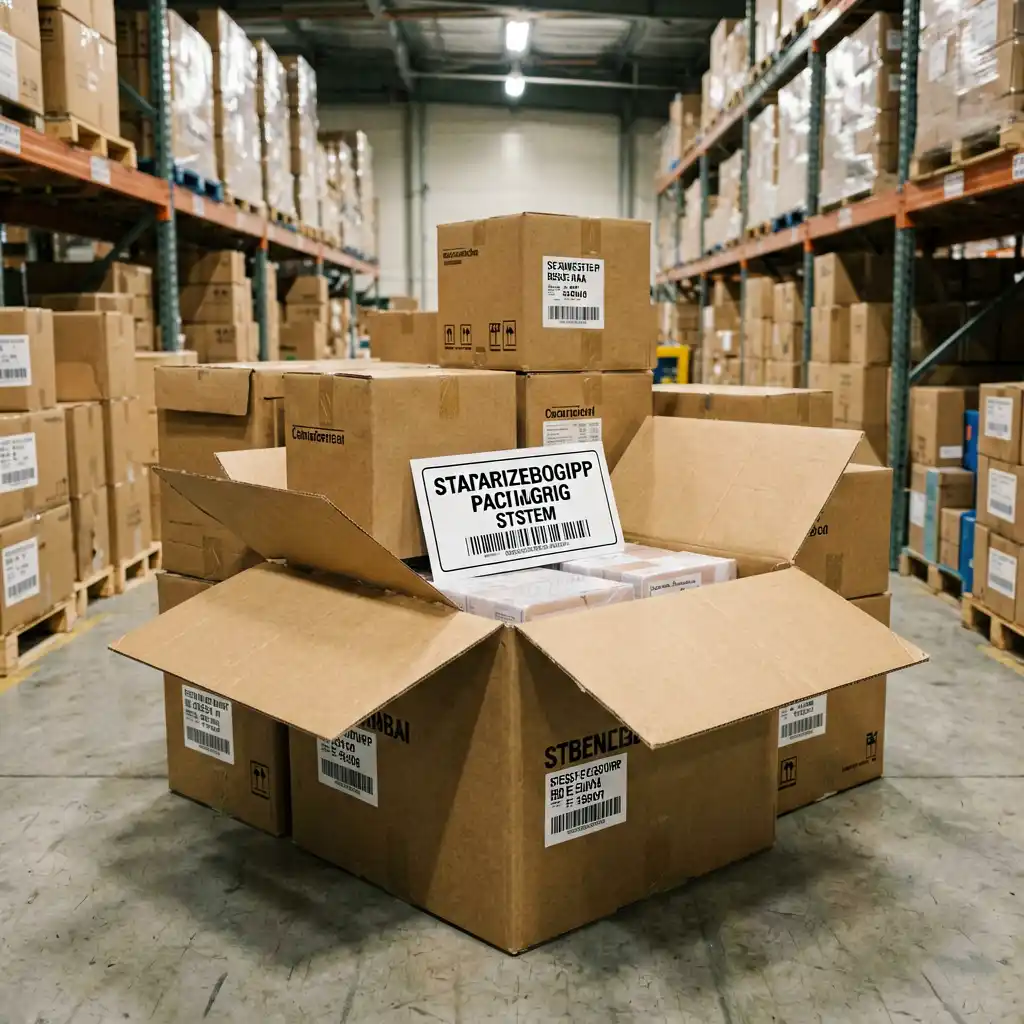
Manufacturing custom signage in China offers compelling advantages—competitive pricing, extensive fabrication capacity, and rapidly advancing technology. However, successfully importing these products involves navigating regulatory compliance, logistics coordination, quality control checkpoints, and duty calculations that many first-time importers underestimate. This comprehensive guide walks you through every step of the process so you can confidently source custom LED signs, channel letters, and illuminated displays from Chinese manufacturers.
Why Source Custom Signs from China? The Advantages
China’s signage manufacturing sector represents approximately 60% of global production capacity. Key benefits include:
- Cost competitiveness: Typically 30-50% lower pricing compared to North American and European fabrication equivalents
- Production scale: Thousands of SKUs and fabrication techniques available—from standard mass-produced items to fully bespoke designs
- Technology adoption: Leading-edge CNC routing, laser cutting, automated painting/powder coating, and advanced LED integration widely available
- MOQ flexibility: Many manufacturers accept small prototype orders and single-piece trials, reducing risk for first-time buyers
These advantages are particularly compelling for businesses needing stainless steel back-lit letters (the world’s top exported signage product by volume) and ultra-thin light boxes (small dimensions mean favorable shipping economics).
Step-by-Step Import Process
Step 1: Sourcing Qualified Manufacturers
Begin by identifying suppliers with proven track records in your target category. Recommended approaches include:
- B2B platforms like Alibaba, Made-in-China—with verified supplier badges
- Industry trade show verification (Lighting China, Sign Expo Shanghai)
- Client referrals from other international businesses importing signage
Always request physical samples before committing to production runs. Sample testing validates not just visual quality but material thickness, LED output consistency, and finish durability.
Step 2: Detailed Specifications & Proforma Invoice
Provide comprehensive technical documentation including:
Technical specs: dimensions, material grade, color codes (Pantone/RGB), IP rating, voltage/frequency, LED type
Compliance requirements: UL/cUL, CE/EN60598, RoHS, REACH, local fire/safety standards
Packaging details: carton dimensions, weight, fragile markings, palletization
Once specifications are approved, obtain a pro forma invoice detailing unit price, FOB port, delivery terms, payment schedule, and verify all currency conversions.
Step 3: Payment Terms & Deposit Structure
Standard practice: 30-50% deposit upon PFI acceptance, balance before shipment. For new customers, use 40% deposit → 30% sample approval → 30% pre-shipment. Never pay 100% before inspection. Third-party inspection (SGS, BV) costs $300-$800 per engagement.
Step 4: Shipping Options
Sea freight: Most economical for bulk (>20 containers). Transit 25-40 days. Average ocean freight per 20ft container from Shanghai to LA: $2,500-$4,500.
Air freight: Urgent/small-volume. Transit 5-10 days. Cost $4.50-$8.00/kg plus surcharges.
Express courier (DHL/FedEx): Emergency/replacements. Transit 3-5 days. Costly for heavy/signage items due to dimensional weight.
For lightweight ultra-thin light boxes, air freight becomes relatively viable.
Step 5: Customs & Duties
Common HS codes:
• 7326.90 – Iron/steel articles (metal channel letters)
• 8531.80 – Electric signs (illuminated signs)
• 3926.30 – Plastic signaling/signage items (light boxes)
• 9405.40 – Lighting fittings (outdoor fixtures)
Duties range 0%-25% depending on classification and origin. Section 301 tariffs may apply. Work with a licensed customs broker.
Landed cost formula: Product + Freight + Insurance + Broker Fees + Duties + Last-Mile = Total Landed Per Unit.
A $150 USD FOB channel letter might add $18-$35 landed cost depending on destination.
Quality Control Checklist
Before approving shipment, verify:
✓ Color accuracy (Pantone reference)
✓ LED uniformity (no hot spots/dark zones)
✓ Seal integrity (water ingress test)
✓ Finish adhesion (tape pull test)
✓ Dimensional tolerance (±1mm)
✓ Electrical safety (insulation, ground continuity)
Defects caught pre-shipment avoid return/exchange complications.
International Chain Expansions
Multi-location clients benefit from coordinated Chain Store Signage Programs including centralized master files, phased shipments, regional warehouses, dedicated account management, consolidated billing, and tax planning support.
Common Import Mistakes
First-time importers often err by: (1) overlooking import licensing, (2) underestimating landed cost (budget +40%), (3) skipping physical sample approval, (4) no insurance contingency, (5) mismatching voltage/plug specs, (6) poor carton labeling/documentation.
Getting Started: Your First Order
Order a prototype batch (3-5 units) instead of full production minimums. Use samples to establish quality acceptance criteria. For high-volume export products like stainless steel back-lit letters, order 10-20 representative units for testing before larger commitments.
Need assistance?Chain Store Signage specialists manage end-to-end sourcing from design to customs clearance—partner with us to simplify international procurement for your expansion initiatives.