In this guide, we’ll explore why franchise signage consistency matters, what elements to standardize, how to scale efficiently, and what it costs to roll out signage across multiple locations.
Why Franchise Signage Needs to Be Consistent
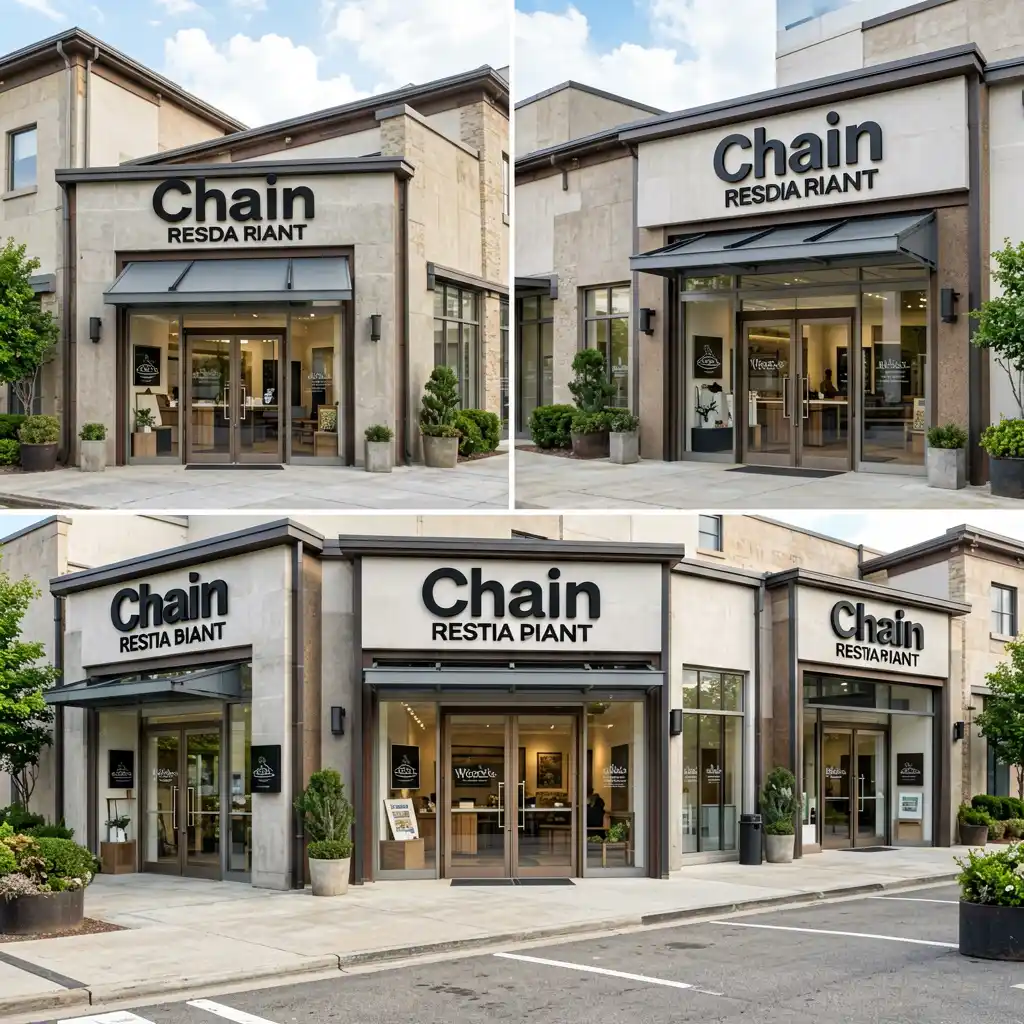
Consistency is the backbone of any successful franchise model. When a customer sees your logo, colors, and signage style at one location, they should feel confident walking into another. That predictability builds trust—and trust drives repeat business.
From a marketing perspective, consistent franchise signage reinforces brand recognition. Studies show that consistent branding across all touchpoints can increase revenue by up to 23%. For franchises, that means every sign isn’t just decoration—it’s a revenue asset.
But consistency isn’t just about aesthetics. It’s about compliance. Many franchise agreements include strict branding guidelines that dictate signage dimensions, materials, lighting, and placement. Deviating from these standards can result in penalties or even contract violations.
Finally, consistent signage protects your investment. When all locations share the same visual identity, you can negotiate bulk pricing with manufacturers, streamline installation processes, and reduce confusion during rebrands or remodels.
Key Signage Elements for Franchises
Effective franchise signage covers three main areas: exterior signs, interior wayfinding, and brand elements that tie everything together.
Exterior Signage
Your exterior sign is the first impression. For franchises, this typically includes:
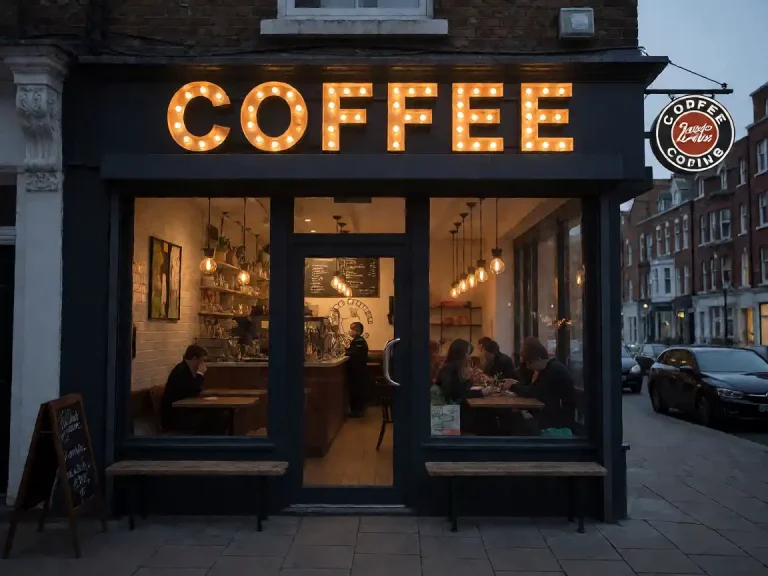
- Primary storefront signs: Monument signs, blade signs, or building-mounted channels that display your logo and brand name.
- Secondary identification: Address plaques, directional signage, and parking lot A-frames that guide customers to your entrance.
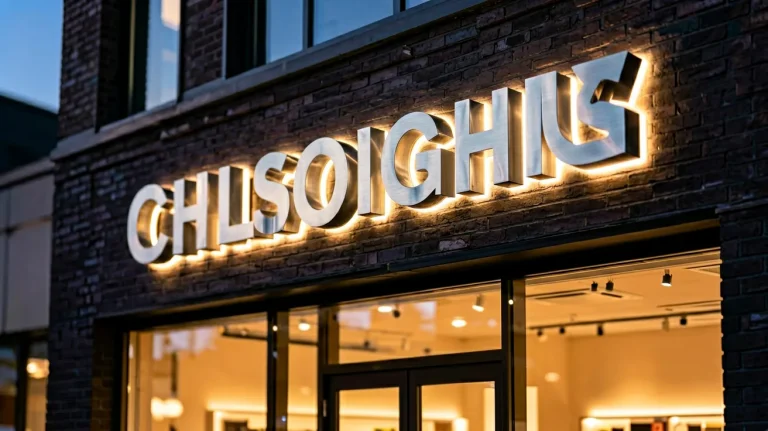
- Illumination options: LED-lit channel letters, backlit boxes, or neon signs that ensure visibility day and night.
Each exterior sign should follow the same dimensional and material specifications, even if local zoning laws require slight variations. Document these allowances in your franchise operations manual.
Interior Signage
Interior chain store signs serve functional and branding purposes:
- Service counters: Menu boards, price lists, and order prompts that match your brand palette.
- Wall graphics: Brand stories, mission statements, and promotional displays that create atmosphere.
- Door decals: Hours of operation, social media handles, and welcome messaging.
Wayfinding Signage
For larger franchise spaces—think retail chains with multiple departments or restaurants with complex layouts—wayfinding signs are essential. These include overhead directional signs, zone markers, and restroom indicators. Standardized wayfinding reduces customer frustration and improves the overall experience.
Scalable Signage Solutions for Multi-Location Brands
Scaling signage across 10, 50, or 200 locations requires systems, not shortcuts. Here’s how successful franchise brands approach scalability:
Modular Sign Templates
Work with your manufacturer to create modular sign designs that adapt to different building types. A modular approach might include standard channel letter kits that come in various sizes, or interchangeable face panels that swap colors for seasonal promotions without replacing the entire sign.
Digital-First Signage
Electronic displays allow you to update messaging remotely. Instead of shipping new prints to each location, you push content updates from a central dashboard. This is especially valuable for limited-time promotions, seasonal campaigns, or emergency closures.
Centralized Manufacturing
Consider manufacturing all signage through a single vendor or regional hub. This ensures quality control, reduces lead times, and simplifies troubleshooting if a sign needs replacement. Read more about maintaining consistent brand signage across locations.
Franchisee Support Programs
Your best signage strategy includes support. Provide franchisees with clear signage guidelines, installation checklists, and a dedicated contact person for sign-related questions. This reduces errors and builds trust in the system.
Case Studies: Franchise Signage Success Stories
Looking at real-world examples helps illustrate what’s possible with the right signage strategy.
Case Study 1: Fast-Casual Restaurant Chain
A 40-location fast-casual restaurant chain was struggling with inconsistent signage. Some franchisees had installed their own versions of the brand’s channel letters, resulting in mismatched colors, lighting, and proportions. The brand launched a signage refresh program, replacing all non-compliant signs with custom franchise signage that matched the original design specifications. Within six months, brand recognition surveys showed a 34% improvement in visual consistency across locations.
Case Study 2: Retail Apparel Franchise
An apparel franchise with 25 stores wanted to introduce a seasonal color theme without committing to full sign replacements. They worked with their manufacturer to create interchangeable LED modules that could be swapped inside existing channel letter housings. This approach saved an estimated $12,000 in the first year compared to full sign replacements, while still allowing for fresh, on-brand appearances each season.
Case Study 3: Fitness Center Franchise
A fitness franchise with 60 locations needed signage that could withstand high-traffic environments while projecting a premium brand image. They invested in durable aluminum channel letters with internal LED lighting, paired with interior wayfinding systems that guided members through classes, locker rooms, and retail areas. The upgrade correlated with a 19% increase in new memberships during the first year, attributed in part to improved first impressions.
Cost Planning for Multi-Store Rollouts
Budgeting for franchise signage requires understanding both per-unit costs and volume efficiencies.
Per-Sign Cost Breakdown
Typical costs for common franchise sign types include:
- Channel letters (3-foot height): $150-$400 per letter, depending on material and illumination.
- Monument signs: $3,000-$15,000, including base construction and sign face.
- Blade signs: $800-$2,500 per sign, depending on size and illumination.
- Interior menu boards: $500-$3,000, with digital options at the higher end.
See Franchise signage case studies for a delivered project with full specifications.
For detailed cost information, check our channel letter cost guide, which breaks down pricing by material, size, and illumination type.
Volume Discounts
Most manufacturers offer tiered pricing for bulk orders. Ordering 20+ identical signs might reduce per-unit costs by 15-25%. Some manufacturers also offer franchise-specific pricing programs for brands with 10 or more locations.
Hidden Costs to Budget For
Beyond the signs themselves, consider:
- Installation: $200-$1,500 per location, depending on complexity and height requirements.
- Permits: Varies by municipality; some cities require signage permits that cost $100-$500.
- Electrical work: New sign installation may require electrical upgrades, especially for LED-lit signs.
- Maintenance fund: Set aside 5-10% of your signage budget annually for repairs and replacements.
Working with a Manufacturer on Franchise Projects
Choosing the right manufacturing partner is critical for franchise success. Here’s what to look for:
Experience with Multi-Location Projects
Not all sign makers understand franchise logistics. Look for manufacturers who have experience coordinating installations across multiple states or countries, handling variations in local codes, and meeting tight roll-out schedules.
Quality Assurance Processes
A good partner will provide quality checks at every stage—from design approval to fabrication to final inspection. Ask about their QA process and request references from other franchise clients.
After-Sales Support
Signs need maintenance. Choose a manufacturer that offers ongoing support, including replacement parts, repair services, and responsive customer service. When a light burns out at 2 AM, you want a partner who can help quickly.
International Sourcing Options
For larger franchises, sourcing from international manufacturers can reduce costs significantly. However, this requires careful vetting to ensure quality standards and timely delivery. Our guide to importing custom signs from China covers what to consider when exploring overseas manufacturing options.
Start Your Franchise Signage Project
Consistent, professional signage is one of the highest-impact investments a franchise owner can make. It builds brand recognition, drives customer confidence, and supports growth as you expand to new locations.
Ready to discuss your franchise signage needs? Contact us for a consultation. Our team has extensive experience working with franchise brands of all sizes, and we can help you develop a signage strategy that scales with your business.