Why Illuminated Signage Is Your Biggest Recurring Lighting Cost
For most small businesses, the sign out front is the single most important advertising asset you own — but also one of the easiest places to leak money. Traditional illuminated signage built around neon tubes or fluorescent lamps burns power 10 to 12 hours a day, every day of the year. Over five years, that constant draw adds up to real operating expense, not to mention the labor of replacing aging tubes and ballasts.
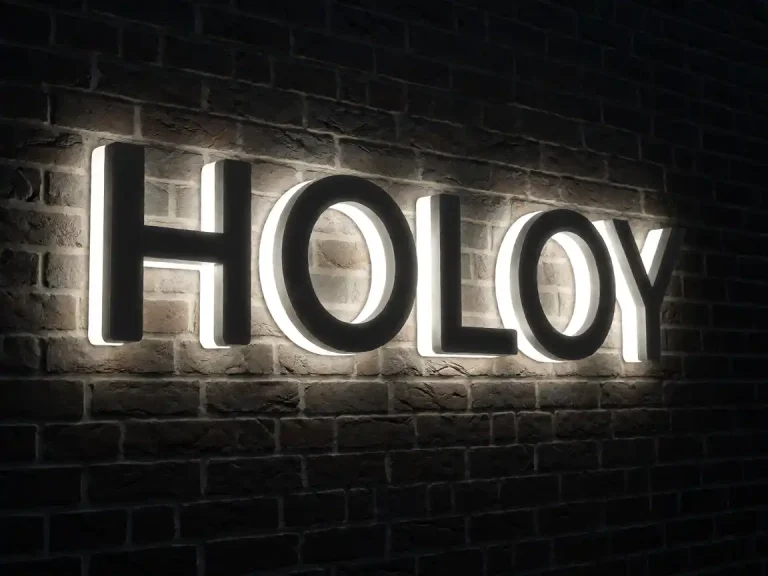
The good news is that the economics have flipped. Modern LED channel letters deliver the same eye-catching glow at a fraction of the wattage, run for 50,000+ hours without a bulb swap, and give you software-level control over when and how brightly they shine. Here is how energy-efficient illuminated signage cuts power costs — and what total cost of ownership really looks like over 5 to 10 years.
LED vs. Neon vs. Fluorescent: The Energy & Lifespan Reality Check
To understand the savings, compare the three technologies side by side. The biggest differences are not in how bright the sign looks, but in how much electricity it takes to get there and how often you must replace components.
| Factor | LED Channel Letters | Neon (Glass Tube) | Fluorescent |
|---|---|---|---|
| Typical energy use (per running foot) | 4–6 W | 8–15 W | 10–20 W |
| Efficacy (lumens per watt) | 100–150 lm/W | 30–50 lm/W | 60–90 lm/W |
| Lifespan | 50,000+ hours | 8,000–15,000 hours | 8,000–20,000 hours |
| Warm-up time | Instant full brightness | Several seconds | Delayed start, flicker as tubes age |
| Brittle glass / breakage risk | None | High — fragile tubes | Moderate |
| Typical component replacement | Driver (rarely, after years) | Tube + transformer, regularly | Tube + ballast, regularly |
Here is the number that matters most: a standard LED sign module produces 100–150 lumens per watt, roughly three times the light output per watt of old neon. That single improvement is why energy-efficient illuminated signage can cut your sign’s electricity bill by 60–80% before you change anything else.
Lumen Output per Watt: What the Efficiency Really Buys You
Lumens measure how much visible light a fixture emits; watts measure how much electricity it consumes. Divide the two and you get efficacy — and LED wins decisively. A 6-foot channel-letter sign built with LED modules typically draws only about 90–150 watts total, while the same lettering in neon could draw 300–450 watts. Multiply that gap by 3,650 hours of nightly operation, and the annual power saving on a single sign can easily reach several hundred dollars — before you add smart controls. That efficiency also means you can run a larger, brighter sign for the same monthly bill: more visibility, less cost.
Smart Controls: Dimming, Timers, and Photocells Multiply the Savings
The efficiency of the LED chip is only the starting point. Energy-efficient illuminated signage becomes even cheaper when you pair it with smart controls that match light output to need:
- Photocells — automatically switch the sign on at dusk and off at dawn, so you never pay to light an empty street at 3 a.m.
- Timers — let you schedule the sign off after closing, on again before opening, and dimmed during late-night low-traffic hours.
- Dimmers — reduce brightness (and wattage) by up to 50% during quiet periods while keeping the sign visibly lit for branding and security.
Combined, these controls routinely shave an additional 30–50% off an already-efficient LED bill. Unlike neon, which is all-or-nothing, LED dims smoothly without flicker or color shift.
The 5–10 Year Total Cost of Ownership Math
Upfront price is only one line of the story. The honest way to compare signage is total cost of ownership (TCO) — purchase, energy, maintenance, and replacement over the life of the sign. For a typical 6-foot storefront channel-letter sign running 12 hours a night, energy alone over five years costs roughly $150–$250 for LED versus $600–$1,000 for neon. Add in tube and transformer replacements for the neon system (often $300–$700 over the same window) while the LED modules simply keep running past their 50,000-hour rating, and the estimated five-year total lands around $150–$350 for LED versus $900–$1,700 for neon.
Over five years, the LED sign typically saves $750 or more per sign in energy and maintenance alone — enough to cover a large share of the initial investment. Over ten years, with the modules still going strong, the gap widens further. For a business running several signs across multiple locations, the cumulative saving becomes genuinely meaningful to the bottom line.
Illuminated Signage Maintenance: Keep Efficiency From Drifting
Even the best LED system needs a little care to hold its efficiency over a decade of service:
- Regular cleaning — dust and grime on the acrylic face can block up to 20–30% of light output, quietly pushing you to run the sign brighter (and hotter). A simple monthly wipe keeps lumen output where it should be.
- Driver checks — the LED driver converts mains power to the low-voltage current the modules need. It is the component most likely to fail after years of service; catch it early with a quick annual inspection and replace it before it darkens the whole sign.
- Seal and gasket care — inspect the weatherproofing around the letters each season so moisture never corrodes wiring or modules.
Because there are no fragile glass tubes and no ballasts to burn out, LED illuminated signage maintenance is dramatically cheaper and less frequent than the neon systems it replaces.
Why Modern LED Channel Letters Are the Green Choice
Lower wattage means fewer kilowatt-hours from the grid — a smaller carbon footprint for the same advertising impact. LEDs also contain no mercury (fluorescent tubes do) and last long enough that far fewer components end up in landfill. Energy-efficient illuminated signage is good for the environment and good for the P&L.
ROI for Small Businesses: The Sign Pays for Itself
The return on investment is where this stops being a technical detail and becomes a business decision. A well-lit sign is your most cost-effective customer-acquisition channel — it works every hour you are open, with no media spend. When you combine a 60–80% cut in lighting energy, smart controls that trim another 30–50%, near-zero maintenance, and a lifespan that stretches past a decade, the payback period on upgrading to LED channel letters is typically under two years — and the savings keep compounding. For a small business, that is money that goes straight back into inventory, staff, or marketing instead of into the power meter.
Get a Quote for Energy-Efficient Illuminated Signage
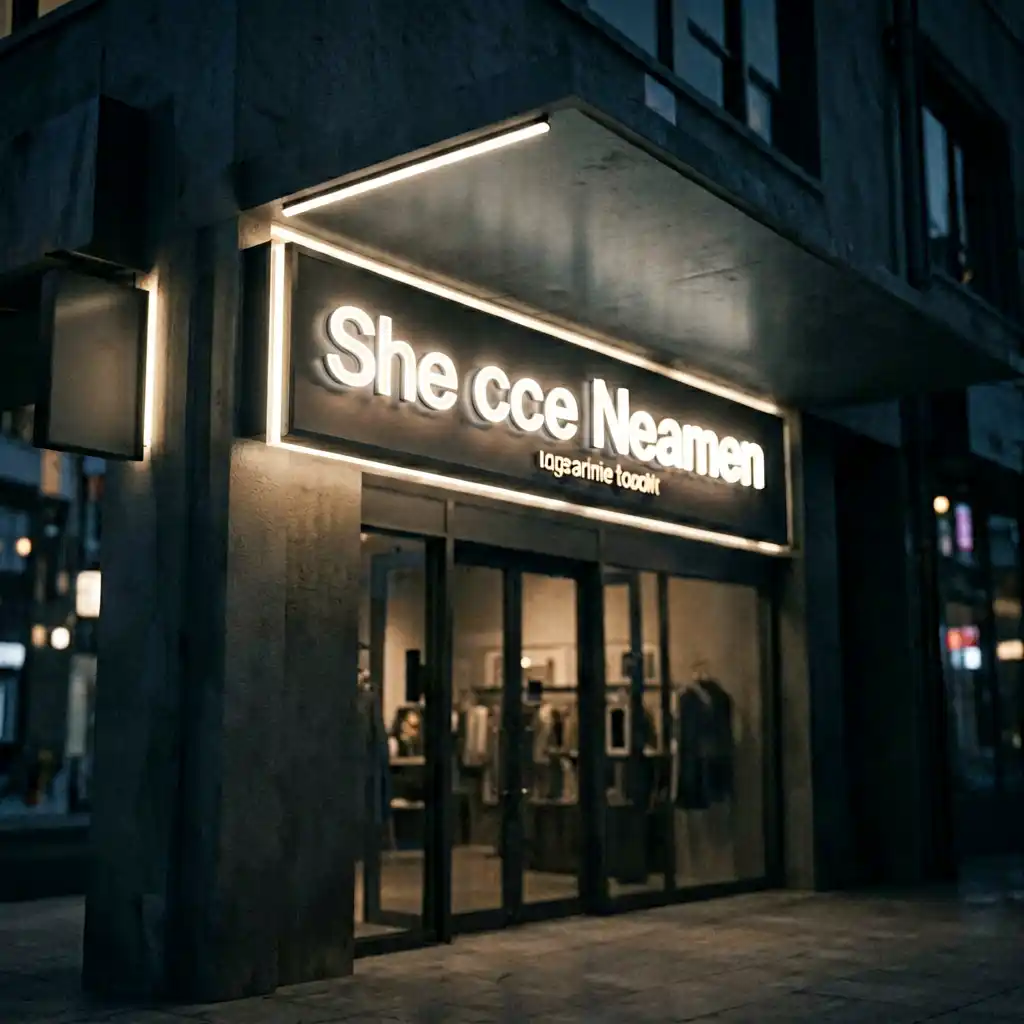
Every storefront is different, and the right sign balances brightness, size, and budget. At Y SIGNS LED, we design and manufacture LED channel letters and energy-efficient illuminated signage tuned to your space — with the smart-control options that turn efficiency into real savings. Curious about our modern take on classic glow? Explore our infinity mirror neon signs collection for on-trend illuminated designs. Ready to lower your power bill and raise your visibility? Contact us for a free, no-obligation quote and let us show you the numbers for your own sign.