u/NeonNoob_2026 asks in r/neonsigns
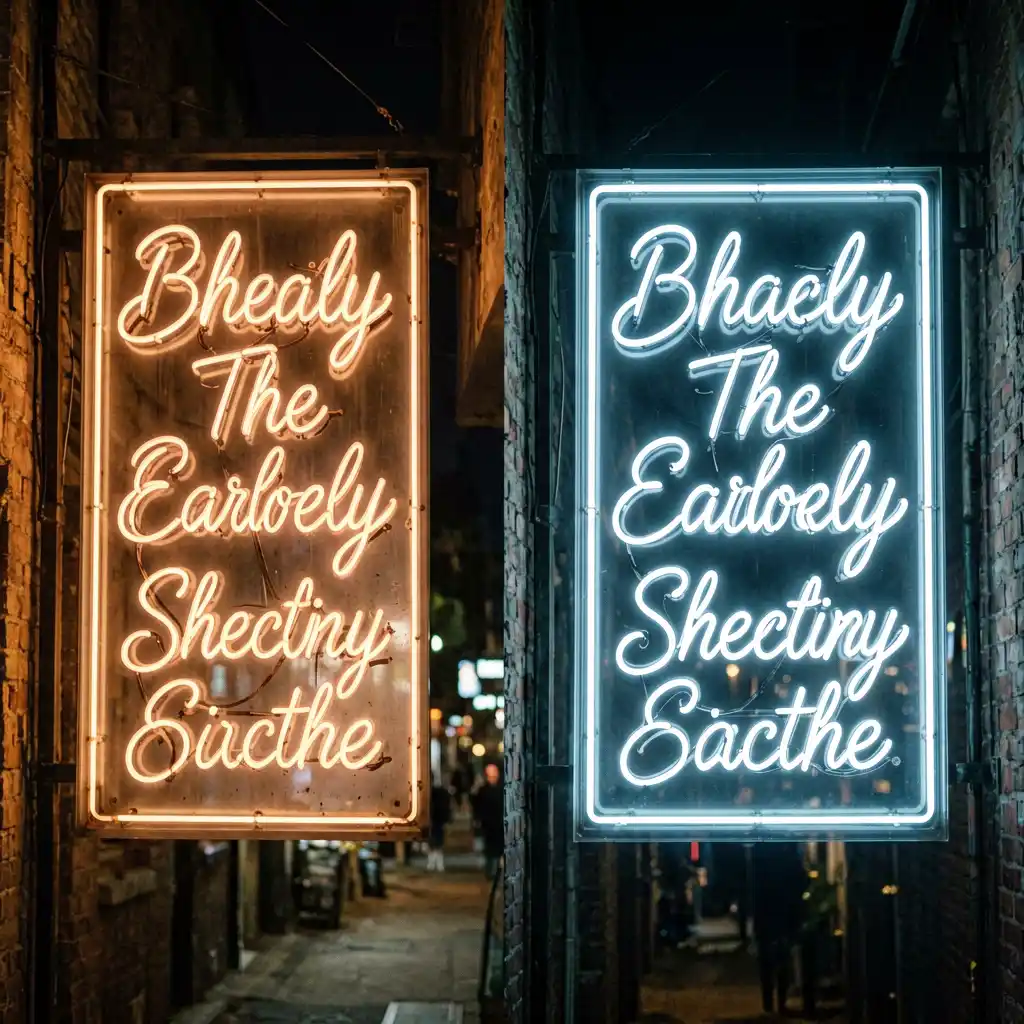
“Neon noob. I just bought a ‘custom neon sign’ for my office and I’m pretty sure it’s not real glass neon — the corners are rounded, not sharp, and when it’s off it looks milky white. Is this actually LED? And does it even matter?” — u/NeonNoob_2026 (22 upvotes)
This is one of the most common questions in the r/neonsigns community, and for good reason: most sellers now call their product “neon” regardless of whether it’s hand-bent glass tubing or flexible LED flex. The difference matters for cost, lifespan, brightness, and maintenance — so here’s the full breakdown, straight from the people who work with both every day.
Top Comments
u/VintageTube_Repair (neon restorer, 15 yrs)
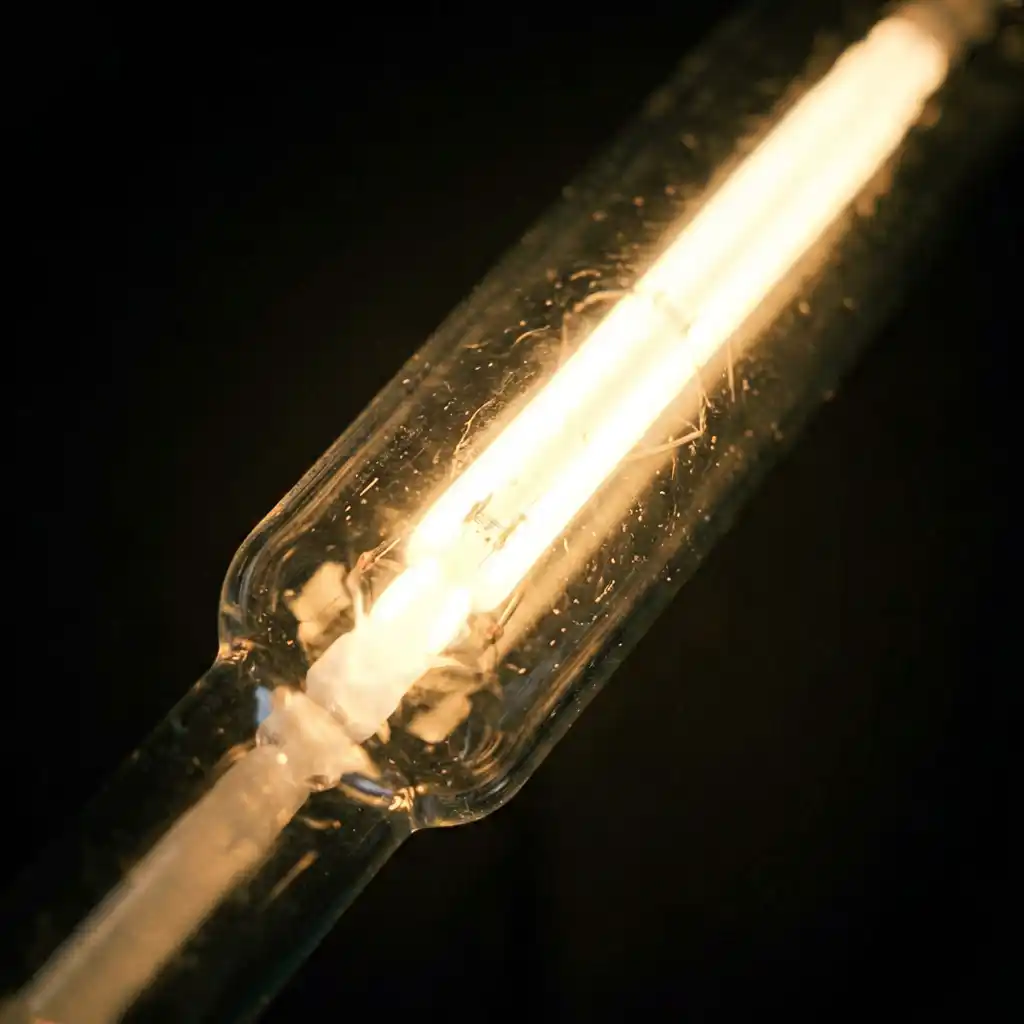
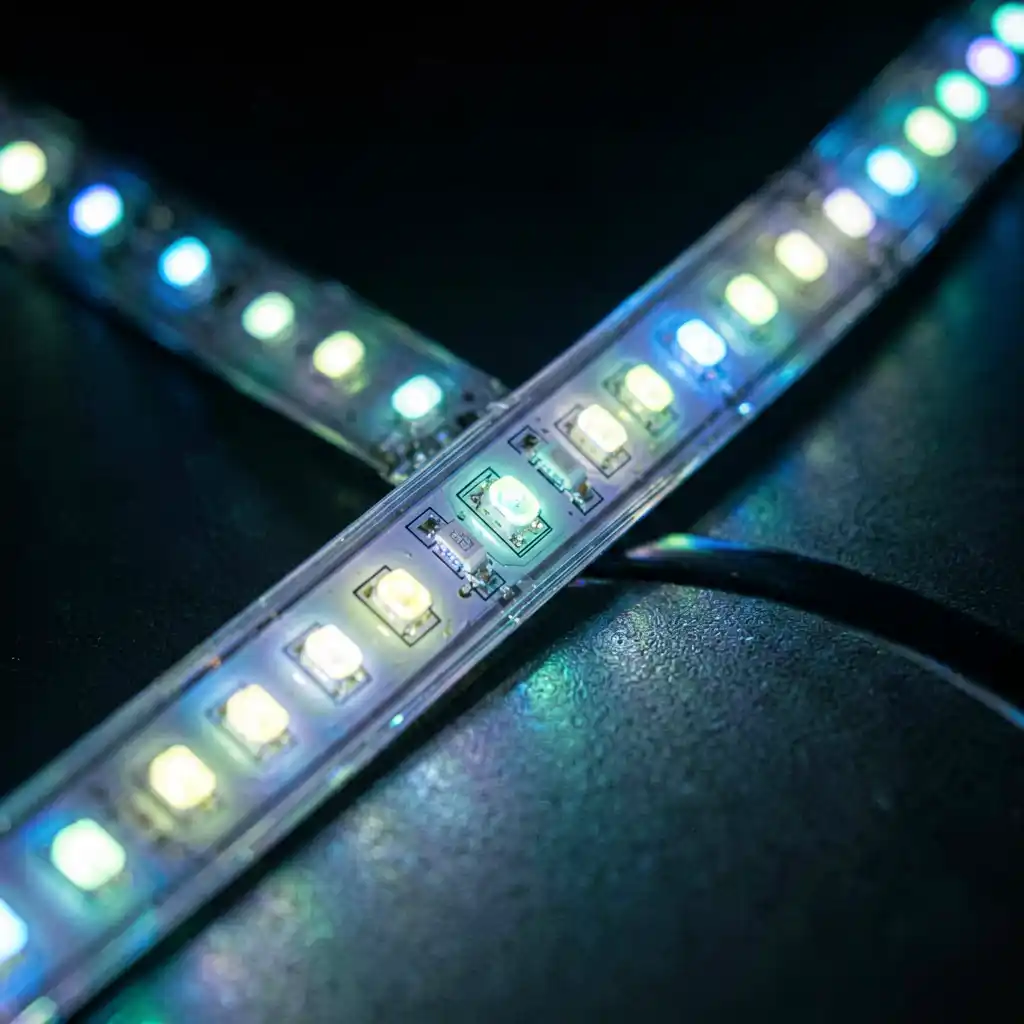
“Real neon is a glass tube that’s been heated and bent by hand — that’s why the bends are tight and the corners are sharp. LED flex is a straight strip of silicone-covered diodes that curves gently. If your corners are rounded like a rounded-corner rectangle, that’s your first giveaway. Turn it off: real neon (with argon) shows a pale pink or orange glow in the tube; LED goes milky white. Two seconds, done.”
u/SignShop_Sam (commercial sign maker)
“Look at the back. Real glass neon is painted with blackout paint on the back of the tube so the glass itself doesn’t glow from behind — you’ll see black paint lines. LED neon flex has no paint; it’s just clear silicone. Also check the thickness: real neon tubes are glass and around 8–15mm, LED flex is a thinner, more uniform silicone strip. And honestly, unless you’re chasing that true hand-made glow, LED is fine for most businesses.”
u/FilamentFan (hobbyist)
“Gently — very gently — see if the tube flexes. Real glass cracks. It does not bend. If it gives at all, it’s LED. Also the electrode ends: real neon has a glass electrode housing at each end (a little thicker glass node). LED flex has none — it’s one continuous strip with a plug. Pro tip: bang on the shipping box. Real glass neon arrives broken 8–12% of the time. LED basically never does.”
u/LEDWorks_Lighting (LED sign company)
“We make LED neon and we’re upfront that it’s LED. Reasons to pick LED: it’s 5–10× cheaper, unbreakable in shipping, brighter, and runs cool. A good LED flex lasts 50,000+ hours. Real glass neon is a craft piece — amazing color purity, but it needs an expert to repair when a section fails, and you’ll typically replace a whole transformer. For a retail sign you want reliability, choose LED. For a collector or an artisan interior, choose glass.”
u/DoubtFire (skeptic)
“Honestly, most people can’t tell from across a street, and 90% of the ‘neon’ sold online is LED. If the seller lists a lumen rating, a wattage, and a USB or AC adapter with a 12V rating, it’s LED — glass neon doesn’t work that way. If they say ‘hand-bent glass’ and ship it flat in a thin box, they’re lying. Real glass neon ships in a rigid crate with foam. Price is the tell too: if it’s under a couple hundred dollars, it is not hand-made glass neon. Period.”
The Quick Test: 4 Ways to Identify Real Neon
You don’t need a voltmeter to tell the difference. Run through this four-point checklist on any sign before you buy:
| Check | Real Glass Neon | LED Neon Flex |
|---|---|---|
| Corners & bends | Sharp, tight bends (tube is heated and bent by hand) | Rounded, smooth curves (flexible strip follows a gentle radius) |
| Blackout paint on back | Yes — black paint coats the back of each tube so only the front glows | No — clear silicone strip, no paint |
| Color when unlit | Pale pink / orange (argon gas inside the glass) | Milky white (LED diodes behind a silicone diffuser) |
| Bend radius flexibility | Rigid — glass cracks, it never bends | Flexible — the strip bends and shapes to any curve |
Real Neon vs LED Neon: Side-by-Side
Once you know what you’re looking at, here’s how the two genuinely compare across the specs that matter for a purchase:
| Attribute | Real Glass Neon | LED Neon Flex |
|---|---|---|
| Brightness | Medium — soft, warm, ambient glow | High — noticeably brighter, punchier |
| Color purity | Excellent — true spectral color, especially the classic orange/pink | Very good — wide RGB palette, but slightly ‘digital’ look |
| Lifespan | 15–25,000 hours per tube; transformers fail sooner | 50,000+ hours typical |
| Energy | Higher draw per sign; high-voltage transformer | Low — runs on a small 12V adapter |
| Durability | Fragile — glass cracks under impact or vibration | Rugged — silicone strip survives drops and bumpy shipping |
| Breakage in transit | 8–12% of shipments arrive with a broken section | <1% — nearly never |
| Cost | High — hand-bent craft, custom labor | Low — machine-made strip, easy to produce |
| Repair | Specialist required; often replace whole tube + transformer | Simple swap of a strip section; DIY-friendly |
Which Should You Buy?
For businesses (retail, hospitality, office): choose LED neon flex. It’s brighter, cheaper, virtually unbreakable in shipping, energy-efficient, and easy to repair — exactly what a commercial sign needs to keep running. If you’re outfitting a storefront, menu board, or brand wall, LED flex gives you the neon look without the fragility. Explore our vintage neon letter signs or custom-shaped neon lights to see how LED neon is built for real business use.
For hobbyists and collectors: if you value the hand-made craft, true spectral color, and the satisfying hum of real glass, seek out a genuine artisan tube. Just be ready for higher cost, delicate shipping, and specialist repairs. Know what you’re buying — and if a deal sounds too cheap to be real glass, it is LED.
Still deciding between the two families? Read our full LED neon vs glass neon comparison, or weigh LED neon against channel letters for storefront use. To understand how a sign like this is actually built, see how custom signs are made step by step.
Bottom Line
If you can bend it, it’s LED. If it has sharp hand-bent corners, blackout paint, and glows pale pink when off, it’s real glass neon. For 9 out of 10 business buyers, LED neon delivers the same visual impact at a fraction of the cost, with none of the breakage risk — which is why it dominates the market today.
Not sure which is right for your project? Tell us what you’re planning and we’ll recommend the best option for your space, budget, and sign location. Get in touch for a free quote — we’ll help you get the neon look that actually lasts.