The Role of Hotel Signage in Guest Experience
Hotel signage quietly shapes every moment of a stay. In a study of hospitality guest satisfaction, wayfinding consistently ranks among the top friction points: guests who get lost, miss an amenity, or cannot find their room report lower satisfaction regardless of how luxurious the property is. Clear signage shortens the time from lobby to room, reduces front-desk interruption calls, and lets staff focus on service instead of directions.
Signage also reinforces brand identity. Consistent typography, materials, and colors across exterior, lobby, corridors, and rooms build a sense of premium quality that photographs well on review platforms. Guests who can navigate effortlessly are more likely to leave a positive review, return, and recommend the property.
Essential Hotel Signage Elements
A well-planned hotel wayfinding system covers four zones. Each has its own visibility, material, and lighting requirements.
Exterior Signage
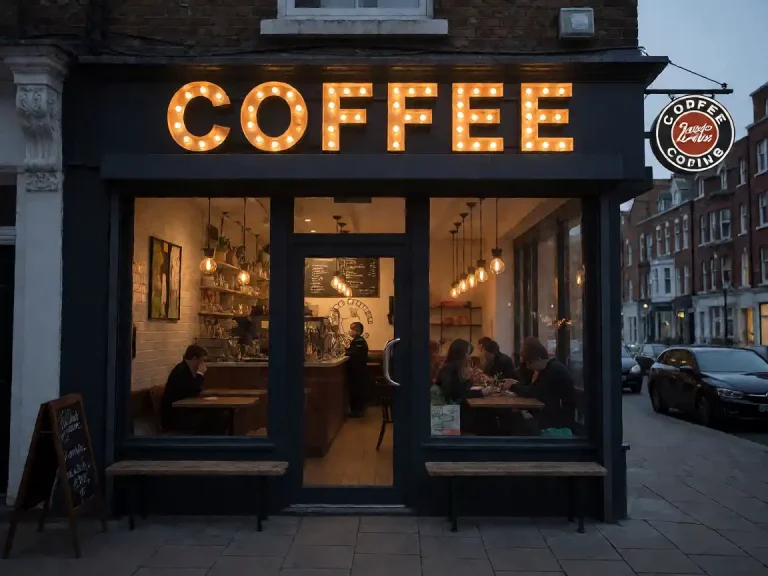
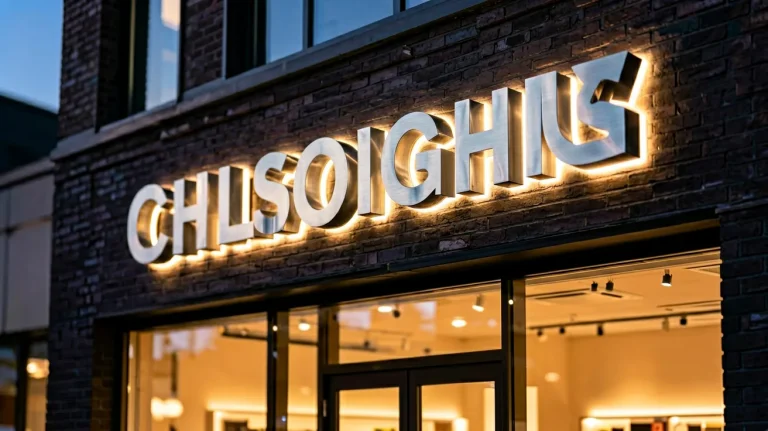
Monument signs at the street entrance, pylon or channel-letter signs on the building facade, and directional markers for parking and drop-off. These are your first brand impression and must be visible from the road at night, which is where outdoor LED signage becomes relevant for illuminated properties.
Lobby & Public Spaces
Reception identification, directory boards, and directional signs to elevators, restaurants, meeting rooms, and restrooms. Lobby signage should use premium finishes—brushed metal, acrylic, or stone—to match the interior design.
Corridors & Elevator Lobbies
Floor directories, arrow signage, and numbering that guides guests from elevator to room. Consistent sightlines and repeated cues prevent disorientation on long corridors.
Room-Level Signage
Room number signs on doors, plus door hangers, “Do Not Disturb” indicators, and accessible-room identifiers. This is the closest, most personal signage a guest encounters, and it is detailed in the next section.
Custom Room Number Signs: Materials & Design Options
Custom room number signs are where hotels distinguish themselves. Because they are viewed at arm’s length and touched by every guest, material choice matters more than almost any other sign in the building.
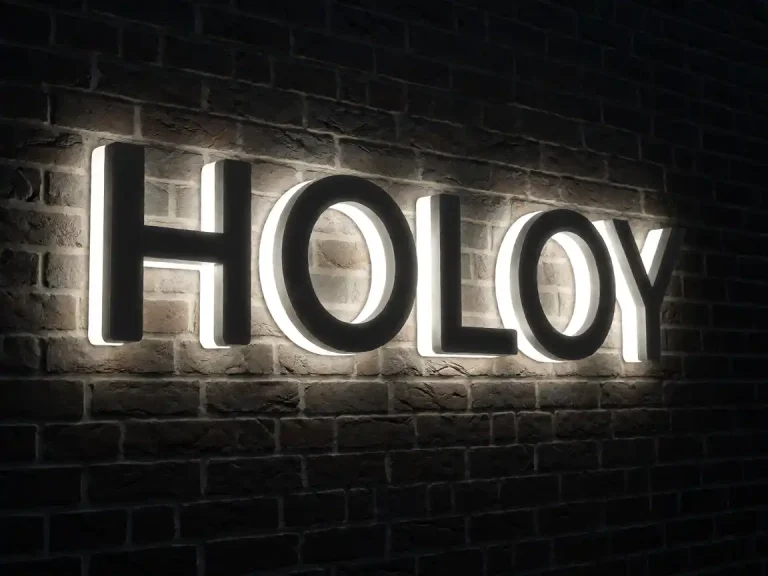
Brushed stainless steel delivers a clean, modern look that resists corrosion in high-traffic corridors. Acrylic and glass allow backlit numbers for a premium, contemporary feel. Wood and solid-surface panels suit boutique and resort properties that want warmth. For a sleek nighttime presence, backlit room number doorplates combine an elegant acrylic face with edge lighting that stays visible in dim corridors while guests fumble for keycards.
Design factors to specify: numeral height and stroke for legibility at 5-10 feet, finish matching door hardware, durable adhesion or screw mounting that withstands daily cleaning, and color contrast that keeps numbers readable under hallway lighting. Engraving and CNC-cut 3D letters add tactile depth that reads as luxury.
Hotel Wayfinding Systems: From Lobby to Restaurants
A hotel wayfinding system is a hierarchy of information, not a collection of individual signs. Guests should be able to answer “where am I, where do I want to go, and how do I get there” with three or fewer visual cues. For a deeper breakdown, see our complete guide to wayfinding signage systems.
Start with a directory near the main entrance that lists all key destinations—front desk, elevators, restaurants, gym, pool, meeting rooms. Then layer directional signs at every decision point using consistent arrows, spacing, and iconography. Finally, confirm arrival with identifying signs at each destination. Numbering should follow a logical pattern so guests can infer their room’s direction from a glance at the elevator lobby board.
ADA Compliance for Hotel Signage
ADA (Americans with Disabilities Act) compliance is a legal requirement for U.S. hotel signage, and overlooking it carries real penalties. Permanent room signage must include Braille and tactile (raised) characters, mounted 48-60 inches from the floor to the baseline of the tactile characters. Contrast between characters and background must meet specified minimums, and character proportions must stay within defined height-to-width ratios.
Beyond rooms, accessible parking, restrooms, elevators, and route signage all carry requirements. Work with a manufacturer that builds to ADA standards and can certify compliance documentation—this protects the property during renovation inspections and avoids costly retrofits later.
Hotel Signage Cost Breakdown
Budgeting for hotel signage varies widely by materials, quantity, lighting, and installation. The table below is a practical planning range for a mid-sized property.
| Signage Type | Typical Unit Cost | Notes |
|---|---|---|
| Exterior monument sign | $2,500 – $8,000 | Lighting, footing, permits extra |
| Building channel letters | $150 – $400 / letter | Illuminated options cost more |
| Lobby directory board | $1,200 – $4,500 | Custom finishes and digital screens raise cost |
| Corridor directional sign | $120 – $350 | Volume pricing for large quantities |
| Room number sign | $30 – $120 | Backlit and ADA-certified units run higher |
| ADA tactile plaque | $40 – $150 | Braille + raised characters, certified |
For a 100-room property, a complete signage package—exterior, lobby, wayfinding, and room numbers—typically lands between $15,000 and $45,000 depending on materials and backlighting. Custom and branded designs increase the upper range.
Installation & Maintenance for Hotels
Correct installation determines both longevity and compliance. Room number signs and ADA plaques must be mounted at precise heights and torque specs; a sign that shifts even an inch can fall out of ADA tolerance. Exterior signs require proper anchoring, weather sealing, and electrical work for illuminated units—always use licensed installers for powered signage.
Maintenance is straightforward but essential. Establish a quarterly inspection to check for loose mounting, faded finishes, burned-out backlight LEDs, and chipped numbers. Because room numbers suffer daily cleaning and luggage impact, budget for replacement spares and standardize the exact model so damaged units can be swapped without color or finish mismatch. A quick inventory log of part numbers and finishes saves sourcing time later.
When a sign reaches the end of its life, upgrading all units at once—rather than piecemeal—keeps corridors visually consistent and avoids the “patchwork hotel” look guests notice immediately.
Hotel signage is a long-term investment in guest experience, operational efficiency, and legal safety. Whether outfitting a new build or refreshing an existing property, start with a complete wayfinding plan, choose materials that match your brand, and never skip ADA certification. Ready to quote your project? Contact our team today for a tailored estimate on custom hotel signs and room number systems.