What Digital Signage Actually Solves
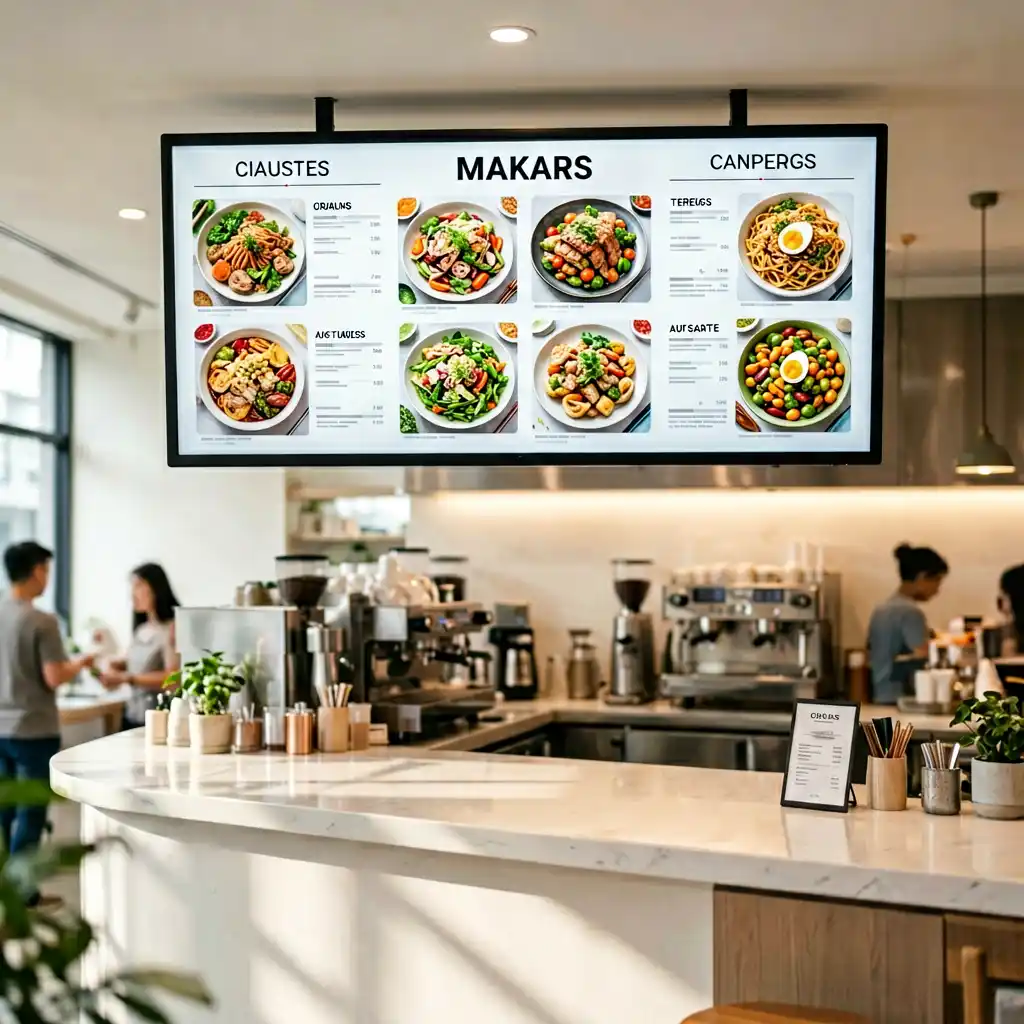
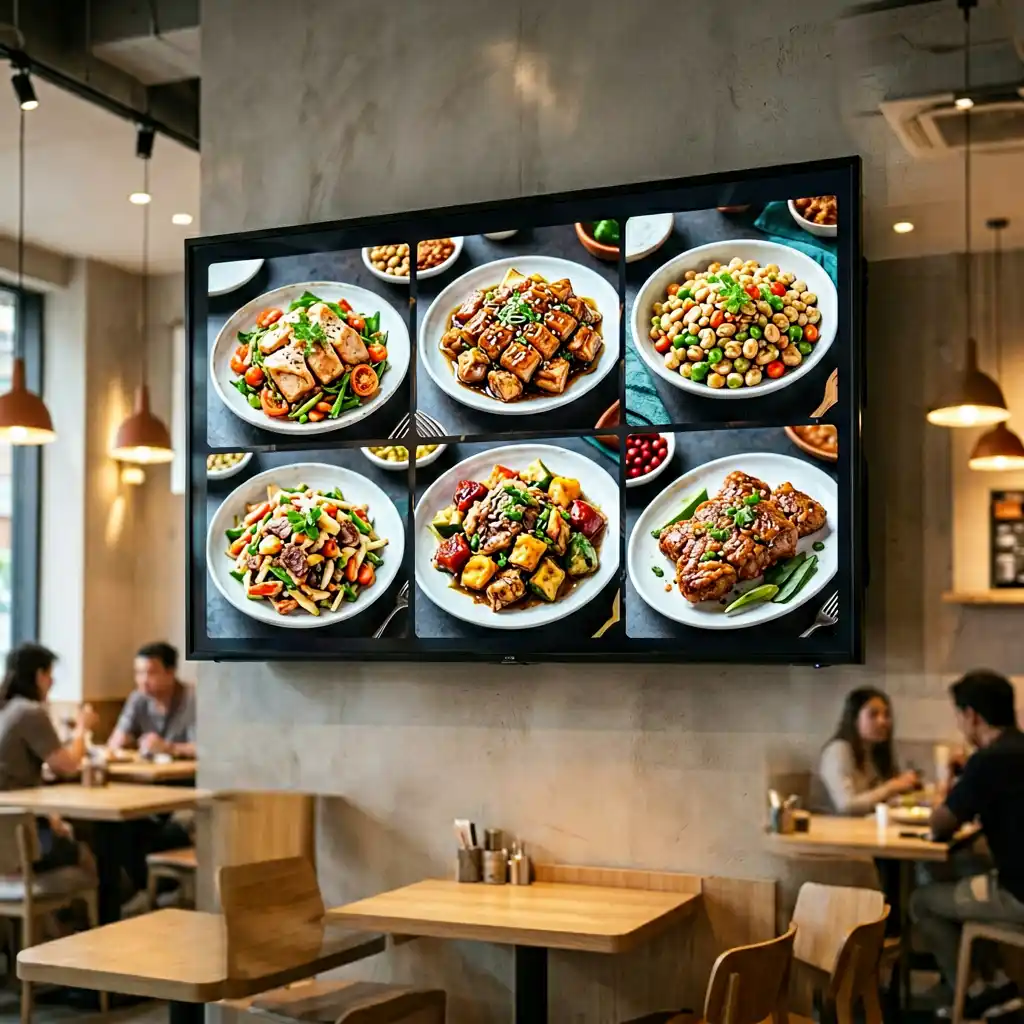
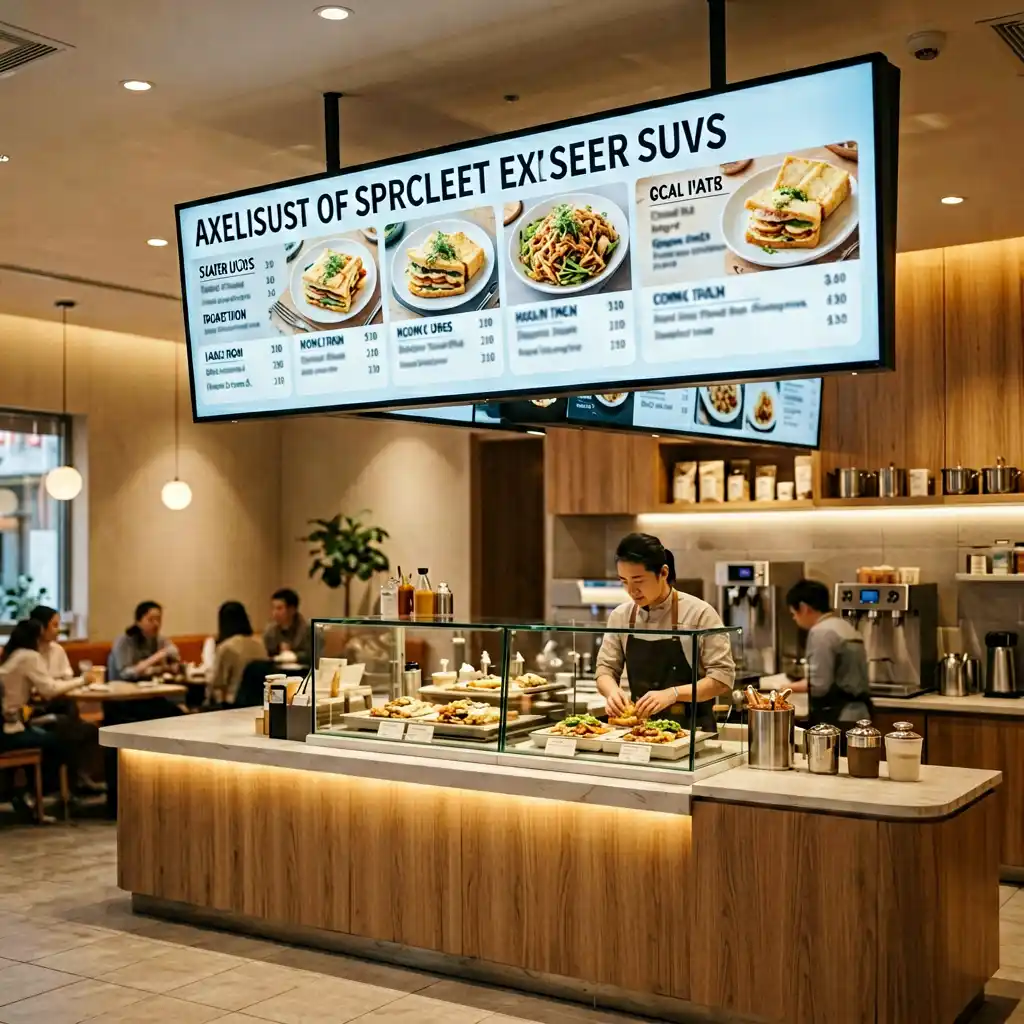
Walk into a busy cafe and you will notice it in seconds: a paper menu that has not been updated since last spring. That is the exact pain digital signage removes. Instead of reprinting every time a price moves or a dish disappears, a digital menu board updates in seconds from a tablet, everywhere at once.
For a small business, the real payoff is not flash — it is control over three things you deal with daily:
- Menu updates: Swap a seasonal item, correct a typo, or remove a sold-out dish without a single reprint. The change is live across every screen immediately.
- Promotions and dayparting: Show a breakfast menu at 7am and a happy-hour board at 4pm automatically. You sell more because the offer on screen matches the time of day.
- Dynamic pricing: Reflect real-time wholesale cost changes, weekend surcharges, or limited-time deals — something static print simply cannot do.
The catch, and the reason the r/smallbusiness crowd complains, is that the market splits into two frustrating extremes. Enterprise systems cost five figures and need an IT department. Cheap tablet setups flicker and look amateur. That middle ground — a proper menu board LED sign built for daily use at a price a small operator can actually stomach — is where most owners get stuck. This guide helps you find it.
Digital vs Static Signage: Cost & Payoff
Before comparing screens, compare the two approaches on the metrics that matter: what you spend up front, what it costs to maintain, and how long it lasts.
| Factor | Static / Printed Menu | Digital Menu Board |
|---|---|---|
| Upfront cost | Low — $50–$400 per sign | Moderate — $800–$4,000 per screen |
| Content effort | Reprint + reinstall for every change | Update on device, seconds per change |
| Lifespan | Fades/peels in 2–4 years | LED-rated 50,000+ hours (5–7 yrs) |
| When it wins | Tiny menu, rare changes, tight budget | Frequent updates, dayparting, promos |
Most small businesses land in digital for one simple reason: a digital signage cost that once felt prohibitive has dropped to roughly the price of a mid-range POS terminal, while the labor saved on reprints pays for it over a year or two. If your menu changes monthly or you run promotions at all, digital wins on total cost of ownership.
Types of Digital Menu Boards
Not all digital menu boards are the same, and picking the wrong type is the fastest way to waste your budget. Here is the honest comparison for indoor use.
| Type | Brightness | Resolution | Cost | Best Indoor Use |
|---|---|---|---|---|
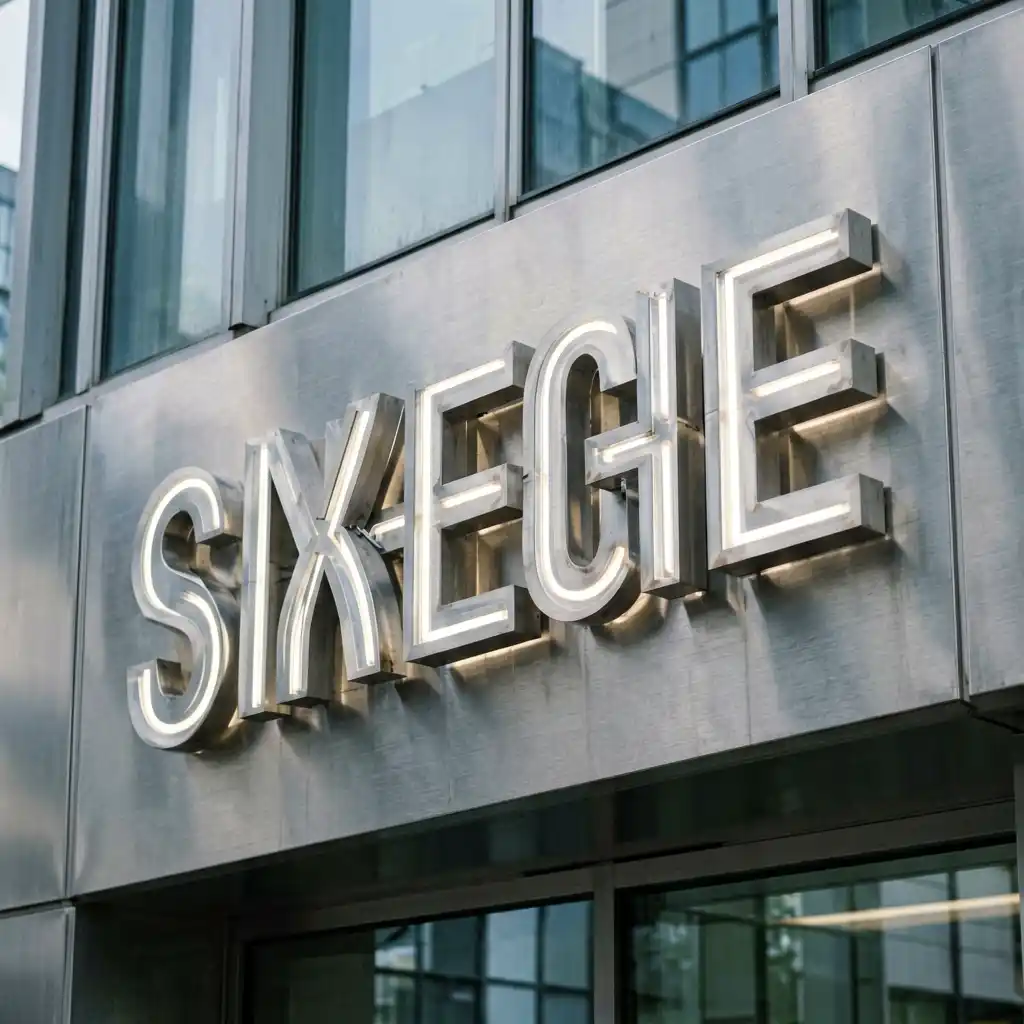
| SEG / soft-film light box | High, evenly lit | Print graphic | Low–mid | Branded static menu with swap-out film |
| LED video wall | Very high | Good at distance | High | Large, bright spaces, animation |
| Frameless edge-lit | High | Sharp, thin | Mid | Modern storefront menu, slim profile |
| LCD / commercial display | Medium | Very high | Mid | True digital playback, frequent updates |
The trade-off is simple. If you want real, frequently-updated digital content, an LCD or edge-lit display running menu software is the practical answer. If you want a beautifully lit, branded board that changes only occasionally, an SEG soft-film light box gives you the premium look of a lit menu with the simplicity of swapping printed film — no software to learn. A frameless edge-lit light box splits the difference with a razor-thin profile that looks custom-built.
Budget Reality Check for Small Business
Here is what a realistic rollout actually costs, in three tiers, so you can plan against real money.
- Entry tier ($800–$1,500 per screen): A single LCD display plus menu software. Fine for a one-screen coffee shop or takeout counter. Watch for hidden costs: a media player, mounting, and a content subscription.
- Mid tier ($1,500–$4,000 per screen): Commercial-grade displays or an edge-lit panel with proper mounting and wiring. This is the sweet spot for a restaurant with 2–4 menu positions.
- Premium tier ($4,000+): LED video walls or a full multi-screen network with central management. Only justified when you have multiple locations or need high-impact animated content.
The hidden costs people forget: hardware mounting, professional wiring (electricians for high-brightness LED), a content player, and ongoing software. Budget 10–20% on top of the screen price for these, and you will not be caught short. If you are buying several units, an LED sign wholesale route can cut per-unit cost meaningfully.
Choosing the Right Solution
Pick the type that matches how often your menu changes and how your space is lit.
- Restaurant: Menu changes weekly and prices shift — go with a true digital display or edge-lit board running menu software. Dayparting alone usually pays for the upgrade.
- Coffee shop: A single backlit menu with occasional updates suits an ultra-thin light box perfectly — premium look without software overhead. If you rotate seasonal drinks often, add digital.
- Retail / quick-service: Promotions and impulse items change constantly. An LED display or a digital screen with daily pricing gives you the flexibility to react to stock and demand in real time.
Whichever you choose, decide first whether your priority is image (a beautifully lit, branded board) or agility (changeable digital content). That single decision narrows the options by half and keeps you out of the enterprise-priced trap. For a fuller picture of how light-box options compare on build and price, see our light box signage comparison guide, and for the signage a venue really needs, our venue signage guide.
Bottom Line
Digital menu boards stop being “sad” the moment they are sized to the business instead of the enterprise. You do not need a five-figure system — you need the right type of screen for how often your menu changes, priced honestly and mounted properly. Decide on image versus agility first, budget 10–20% extra for mounting and wiring, and choose a board built to last.
If you are planning a digital menu or backlit board and want a made-to-order sign at a B2B price, talk to our team on the contact page — we will help you spec the right solution for your venue and budget.