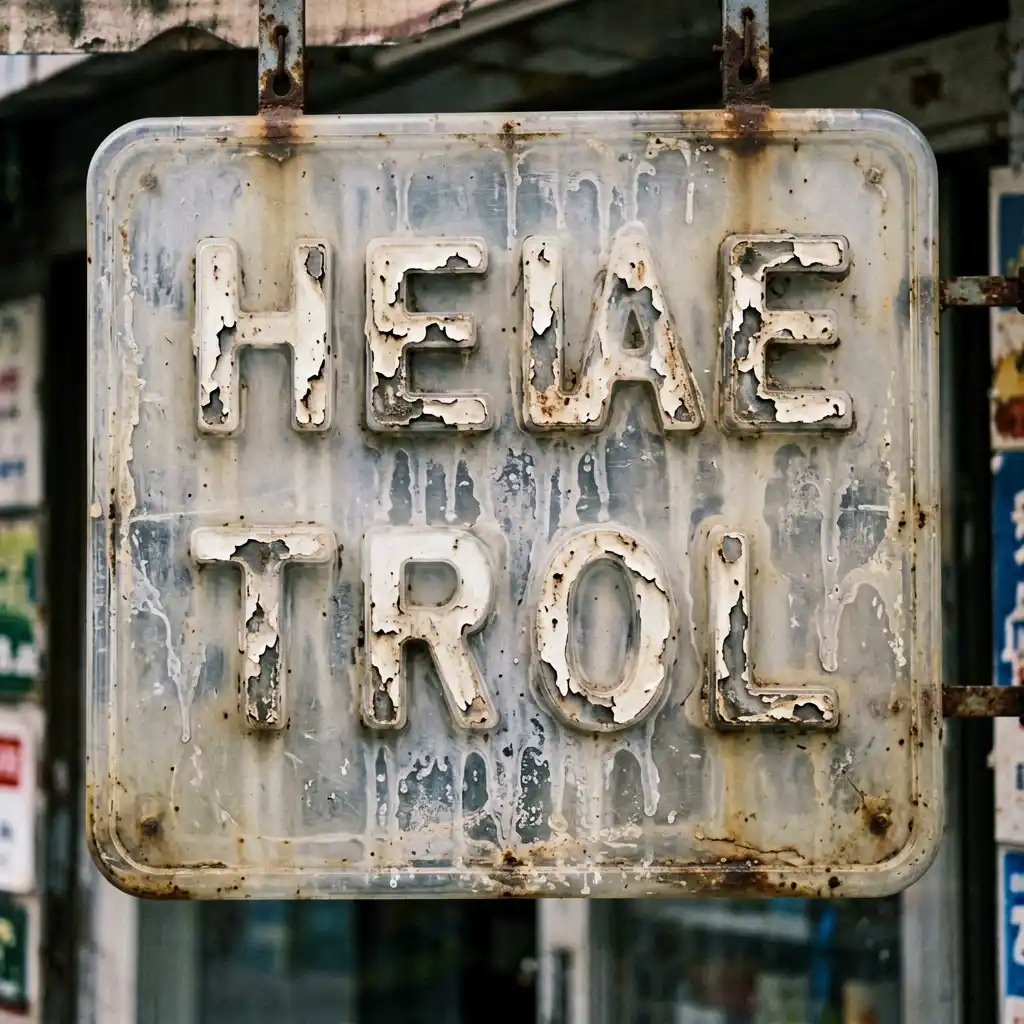
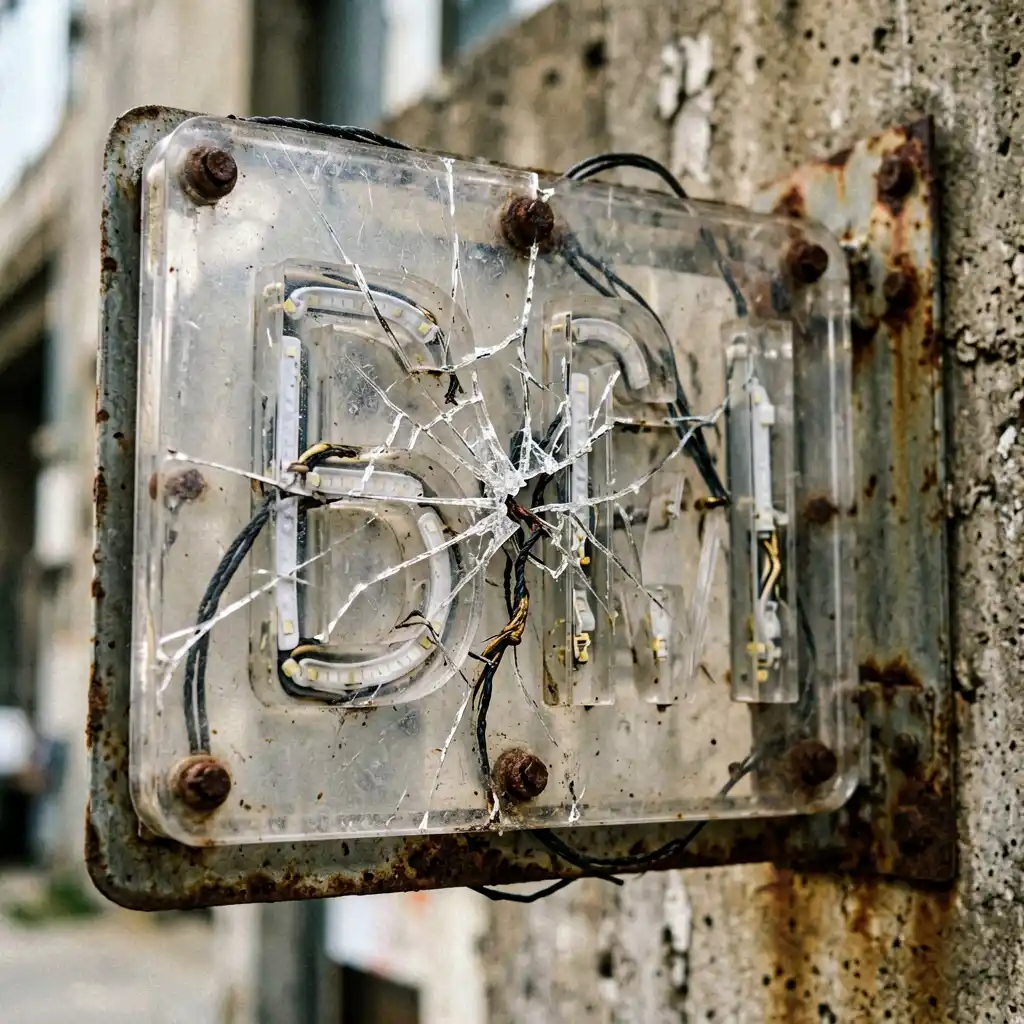
Buying a cheap custom sign can feel like a bargain — until the first rainy night shorts it out, the second power supply dies in under two years, or the acrylic yellows and cracks before your lease is up. These stories are everywhere. On r/neonsigns, one frustrated buyer described replacing their power supply for the second time in two years on a budget import, while others reported Amazon signs literally shorting out. The lesson isn’t “don’t buy signs” — it’s learning to spot cheap custom sign quality issues before they become led sign quality nightmares.
This checklist walks through the cheap led sign problems that plague budget imports, the six red flags that reveal a weak build, and the sign reliability markers worth paying for. Use it before you approve any quote.
Why Budget Signs Break
Cheap signs don’t fail randomly — they fail in predictable places because corners were cut in the exact components that carry the most stress. Three failure modes dominate:
- Connector failures (70% of outdoor sign breakdowns). The overwhelming majority of outdoor sign failures happen at connections — where moisture finds its way in and where wires loosen over time. A sign with unsealed or low-grade connectors will fail at the junction long before the LEDs themselves give out.
- Cheap, non-UL power supplies fail fast. A power supply is the heart of an LED sign. Off-brand, unlisted units run hotter, drop voltage under load, and commonly fail within months to a couple of years — exactly the “second power supply in two years” pattern buyers describe.
- Non-UV-stabilized acrylic degrades in 6–12 months. Acrylic that isn’t formulated for outdoor exposure yellows, crazes, and cracks under sunlight. A face that looked crisp on installation day looks aged by the next season.
| Failure Point | What Goes Wrong | Typical Timeline |
|---|---|---|
| Connectors & terminations | Moisture ingress, loose wires, corrosion | ~70% of outdoor failures; often within 1–3 years |
| Non-UL power supply | Overheating, voltage drop, total failure | 6 months – 2 years |
| Non-UV acrylic face | Yellowing, crazing, cracking | 6–12 months |
| Thin aluminum frame | Bowing, flexing, seam separation | 1–2 years of weather exposure |
6 Quality Red Flags to Watch
If a quote checks even a few of these boxes, treat it as a warning. Here are the six quality red flags that separate a real manufacturer from a reseller shipping cheap imports.
- No UL, CE, or equivalent certification. A certified sign has passed third-party testing for electrical safety and fire resistance. No certification means no one verified the build — and it often voids your insurance and warranty coverage.
- Not IP-rated for outdoor use. An IP rating (like IP65 or IP67) tells you how well the enclosure resists dust and water. An unrated “outdoor” sign is a gamble that will leak, corrode, and short out.
- A cheap switching power supply. Low-cost switching supplies with no brand, no efficiency rating, and no overload protection are the #1 cause of premature failure. Quality drivers run cooler and last far longer.
- No transformer isolation. Isolation separates the mains voltage from the low-voltage LED circuit, protecting both the sign and the installer. Its absence is a serious safety and longevity risk.
- Thin aluminum construction. Thin metal bends, bows, and lets seams pull apart in wind and temperature swings. A durable frame needs proper gauge aluminum and solid seam welding.
- No warranty, or a token one. A 30-day “warranty” on a sign expected to last years tells you the maker doesn’t back their work. Reputable manufacturers stand behind their builds with multi-year coverage.
Quality Markers of a Reliable Sign
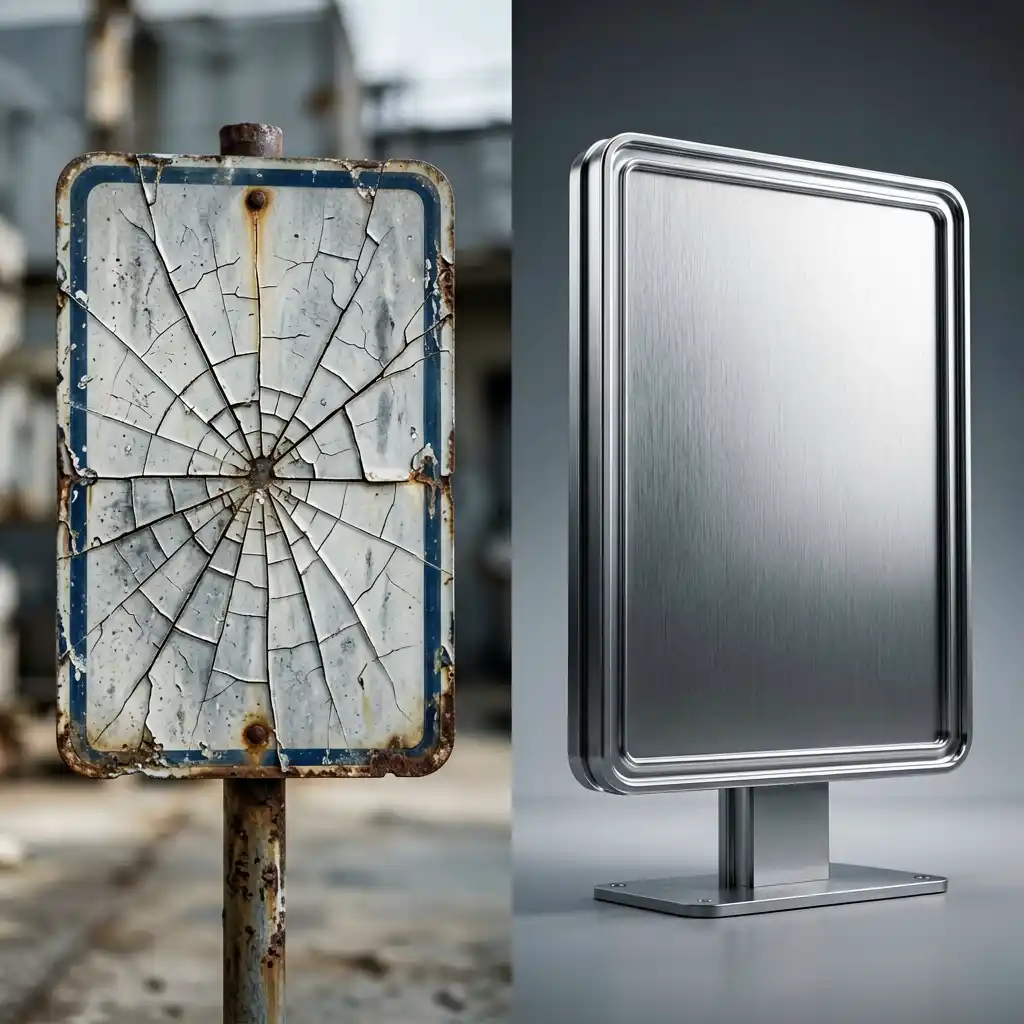
The fastest way to judge a sign is to compare its components against what a quality build actually contains. Here’s the side-by-side:
| Component | Cheap Build | Quality Build |
|---|---|---|
| Frame material | Thin aluminum, spot-welded, easily bent | Proper-gauge aluminum, fully seam-welded |
| LED density | Sparse diodes, visible dark spots | Dense, evenly spaced, bright uniform face |
| Driver / power supply | Off-brand switching unit, no rating | Certified, isolated, high-efficiency driver |
| Sealant | Minimal or none | Full perimeter sealing, IP-rated gaskets |
| Warranty | 30–90 days | 2–5 years on workmanship & components |
Notice the pattern: cheap signs cut cost in the exact components that determine reliability — the frame that holds everything together, the driver that powers it, and the sealing that keeps water out. When you compare quotes, don’t compare price alone; compare the sign reliability built into each option.
Signs Worth Paying More For
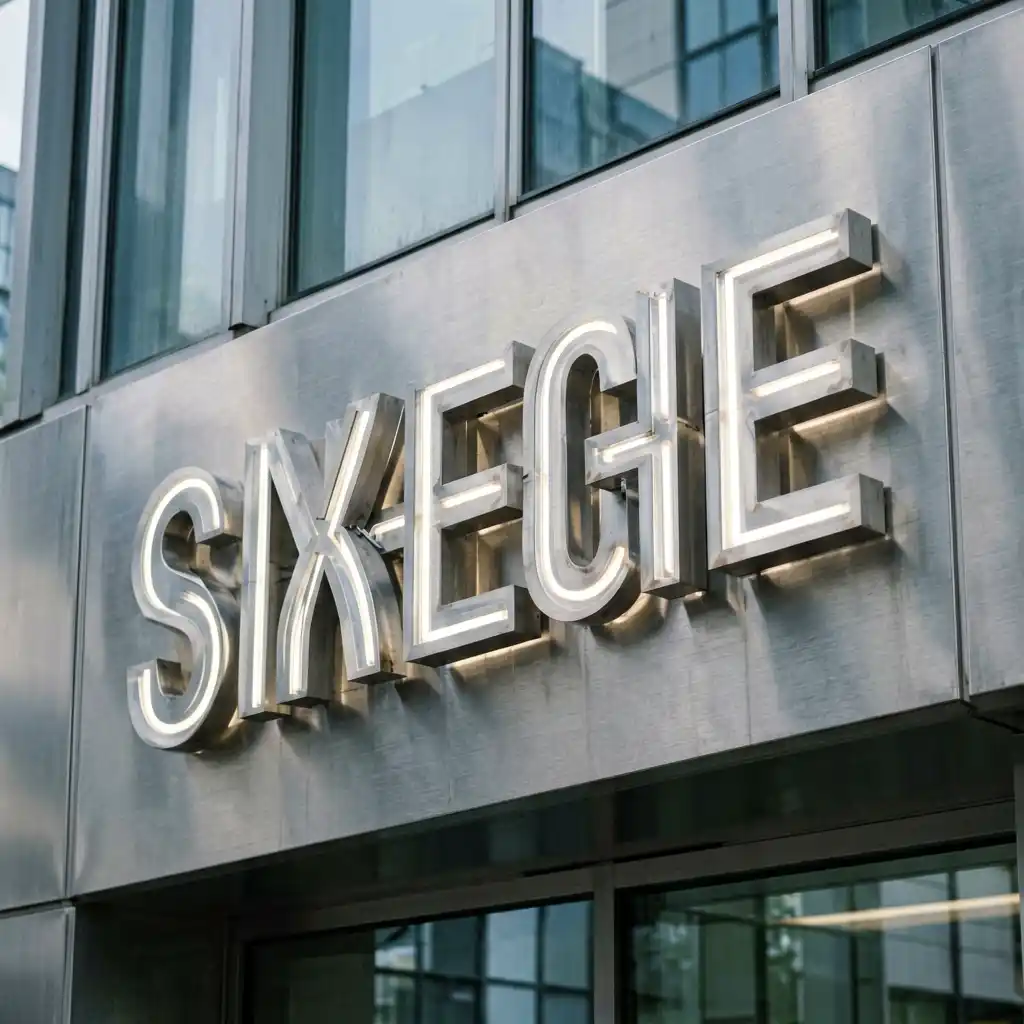
Paying more doesn’t just buy better materials — it buys engineering, testing, and a warranty you can actually use. A stainless steel back-lit letter sign, for example, uses premium metal fabrication and high-grade LED modules that hold up for years outdoors. An edge-lit acrylic letter sign delivers a clean, modern look — but only if the acrylic and driver are chosen for longevity rather than price.
To understand what separates a durable build from a disposable one, review how professional signs are actually manufactured in our step-by-step guide to custom sign production. And when you’re weighing suppliers, these tips for finding a reliable LED sign manufacturer in China will help you avoid the low-bid trap that produces cheap, failing imports. If you’re buying at volume, our guide to wholesale and bulk custom signage explains how to lock in quality at scale.
Bottom Line
Cheap signs don’t save you money — they cost more in replacements, downtime, and lost brand image. A power supply replaced twice in two years, a shorted-out Amazon import, and a yellowed acrylic face are all symptoms of the same disease: corners cut on the components that matter most. By watching for these six red flags and insisting on certified drivers, IP-rated sealing, solid frames, and a real warranty, you can buy a sign that looks great on day one and still works years later.
Ready to invest in a sign built to last? Contact Y SIGNS LED for a free quote and a transparent breakdown of exactly what goes into your custom sign — before you pay a cent.