Why Storefront Signs Fail
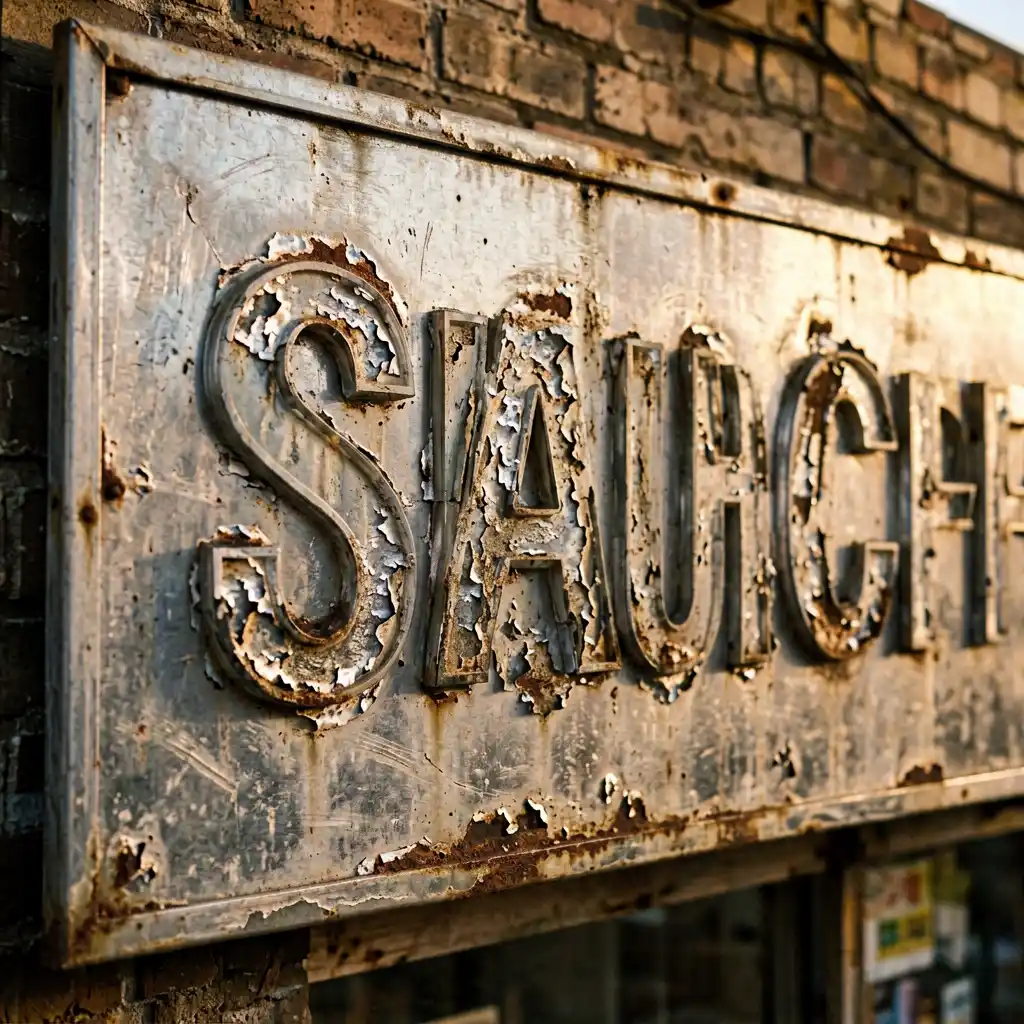
That peeling, faded sign above your door is not a one-off bad install. Most vinyl-wrapped storefront signs fail on a predictable timeline because of the material itself. Vinyl graphics fall into two quality tiers: cast vinyl (higher-grade, more expensive, built for long outdoor life) and calendared vinyl (cheaper, thinner, and the usual culprit when a sign “looks awful” within a couple of years).
If your existing sign was wrapped in calendared vinyl, here is what happens on a typical storefront:
- UV fade in 6–12 months: Colors, especially reds and blacks, lose saturation and start to look washed out after a single summer of direct sun.
- Peeling at the edges: Calendared film shrinks as it ages, lifting away from the aluminum substrate around letter edges and curves.
- Warping and bubbling: Heat expansion and trapped moisture cause the film to blister, making the sign look neglected no matter how well you maintain the business inside.
- Replacement within 2–3 years: Most low-cost vinyl wraps are rated for roughly 3 years outdoors; in hot climates many fail before that.
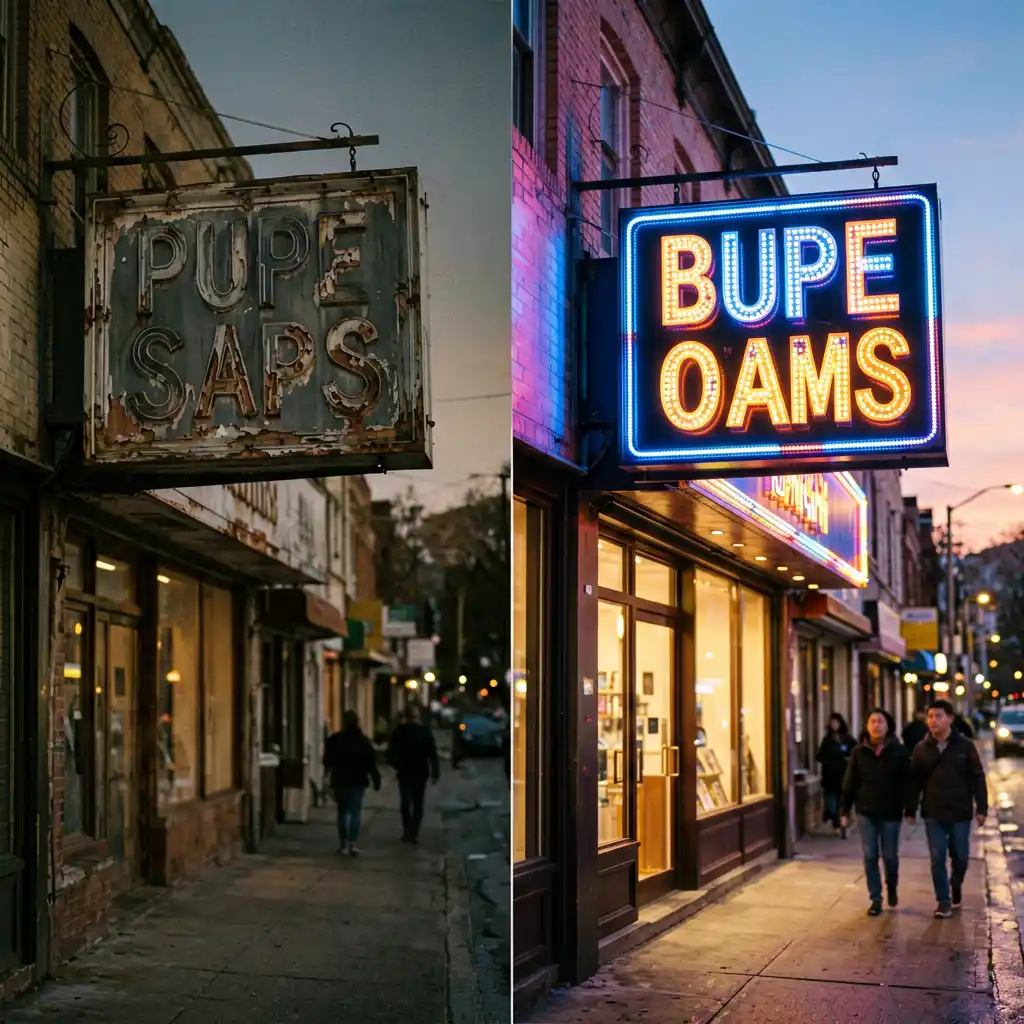
The reason this matters for a B2B buyer: a failing sign is not just cosmetic. It quietly erodes foot traffic, reduces after-hours visibility, and signals to customers that the business behind the door is also run on shortcuts. When a cheap sign fails this quickly, the smart move is usually not to re-wrap it but to upgrade to a lighting system built to last a decade or more.
Vinyl vs LED vs Channel Letters: Key Differences
Once you decide to replace rather than patch, the real decision is between a fresh vinyl face and a lit signage option. Here is how the three main categories compare side by side.
| Factor | Vinyl Wrap | LED Sign / Light Box | Channel Letters |
|---|---|---|---|
| Typical lifespan | 2–5 years | 15–20 years | 15–20 years |
| Visibility | Daytime only | Day & night | Day & night |
| Upfront cost | Lowest | Mid | Highest |
| Maintenance | Frequent re-wrap | Minimal (LED modules last years) | Low (per-lamp replacement) |
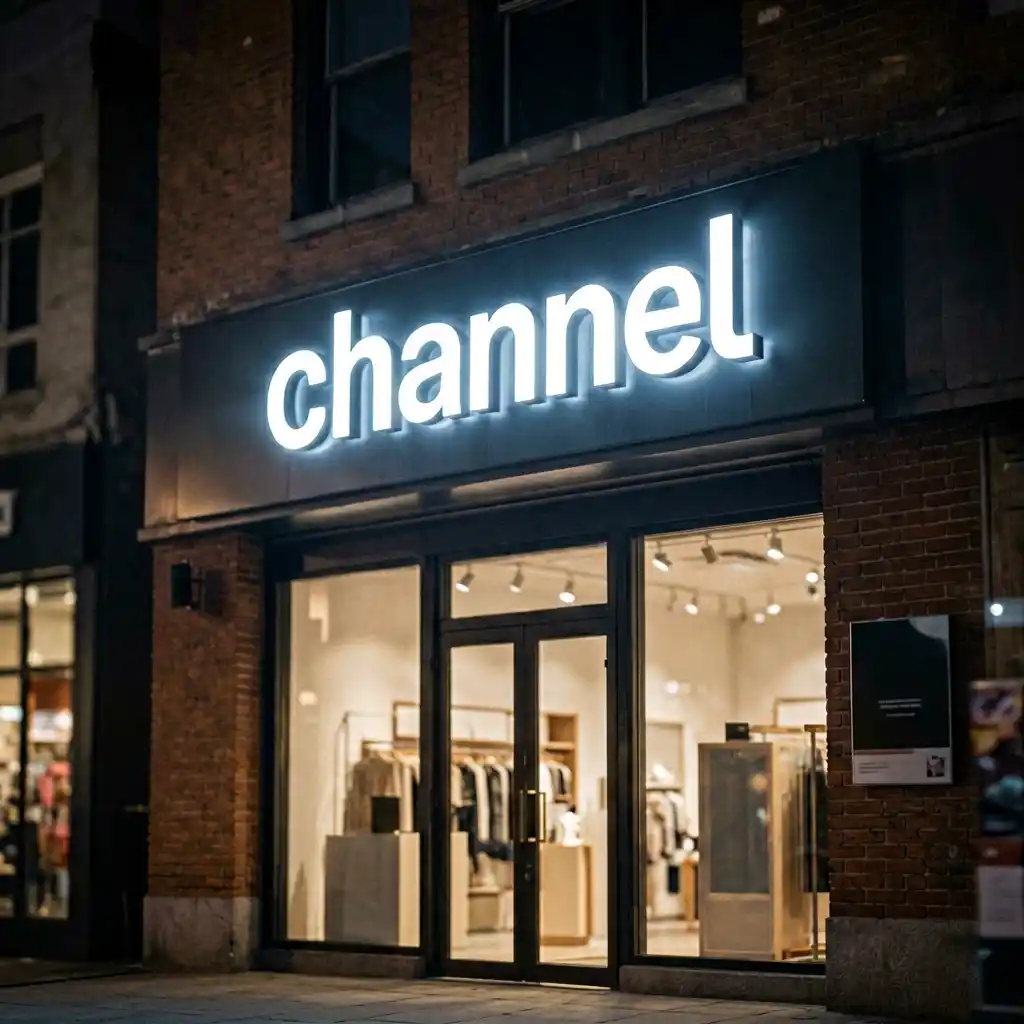
| Brand impact | Flat, 2D | Bright, illuminated | Premium, dimensional |
Vinyl is a surface treatment; LED signs and channel letters are lighting systems. LED signage uses energy-efficient modules that stay bright for 50,000+ hours and typically need no service for well over a decade. That is the single biggest reason a “buy once, cry once” replacement beats repeating a cheap vinyl refresh every few years.
When to Repair vs Replace Your Sign
Not every worn sign needs a full replacement. Work through this quick checklist before you spend money.
- Repair if: the substrate and structure are solid, only small sections of film are lifting, and the damage is under roughly 20% of the sign face.
- Replace if: the vinyl is fading across the whole face, edges are peeling everywhere, or the sign has warped or delaminated from its frame.
- Replace if: your current sign has no illumination and night visibility matters for your business (restaurants, retail, clinics, service providers).
- Replace if: you are rebranding or repositioning and want dimensional, premium curb appeal rather than a flat re-skin.
- Repair if: you need a temporary solution for a lease you are about to leave. Otherwise, long-term owners almost always come out ahead upgrading.
If you are leaning toward a full replacement, the goal is a sign that returns value for 15 years, not 3. That points squarely at LED and channel-letter systems rather than another vinyl wrap.
What To Buy as a Long-Term Replacement
For a durable, professional upgrade, focus on illuminated and dimensional signage rather than flat vinyl. Three options consistently deliver the best return for B2B storefronts:
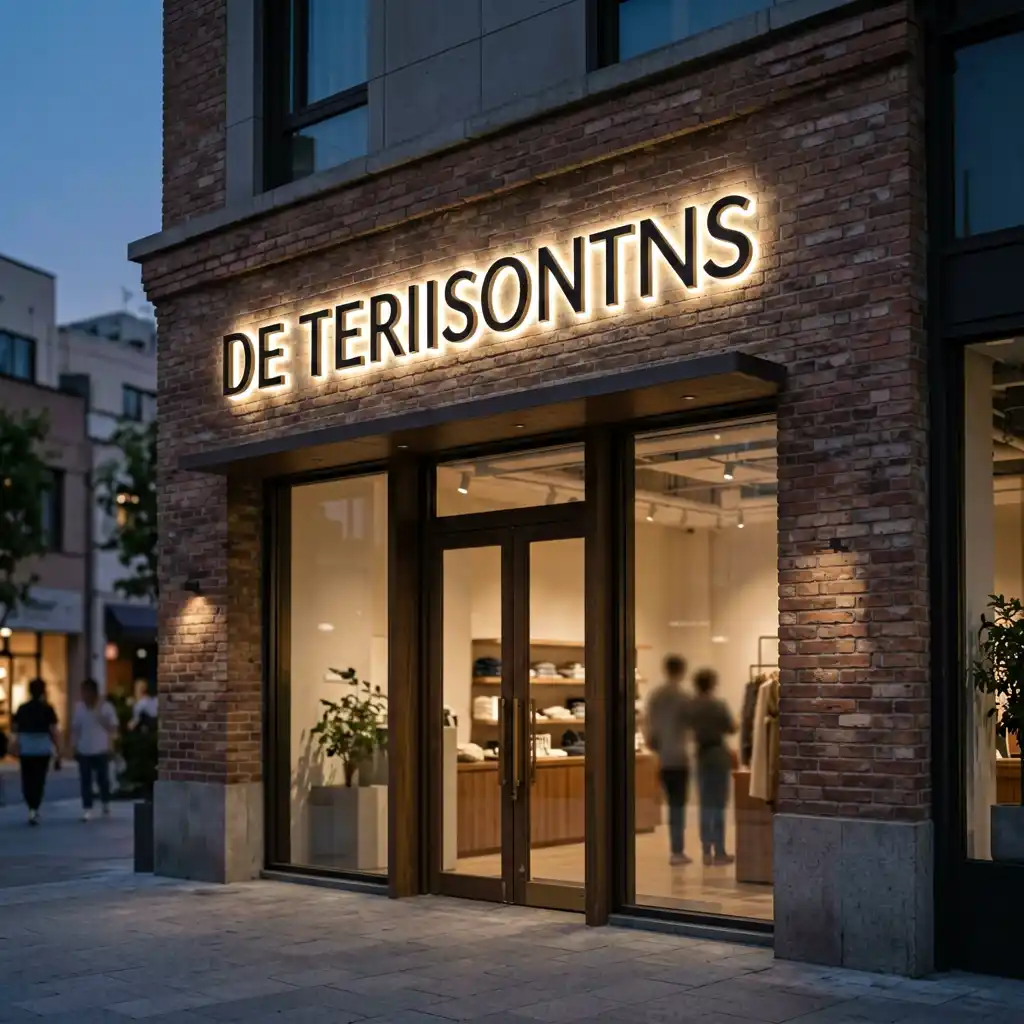
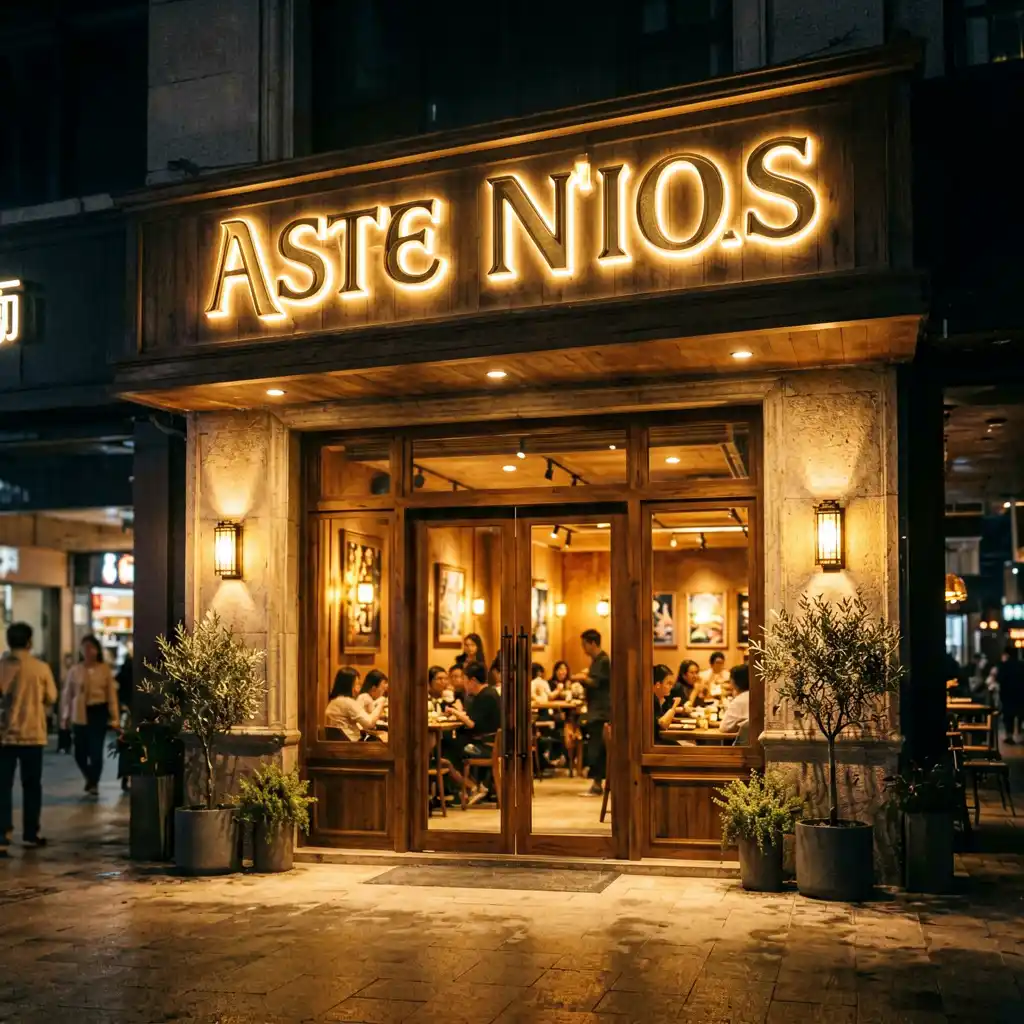
- Backlit signs cast an even glow across a translucent face, ideal for brand colors and logos that need to stand out after dark.
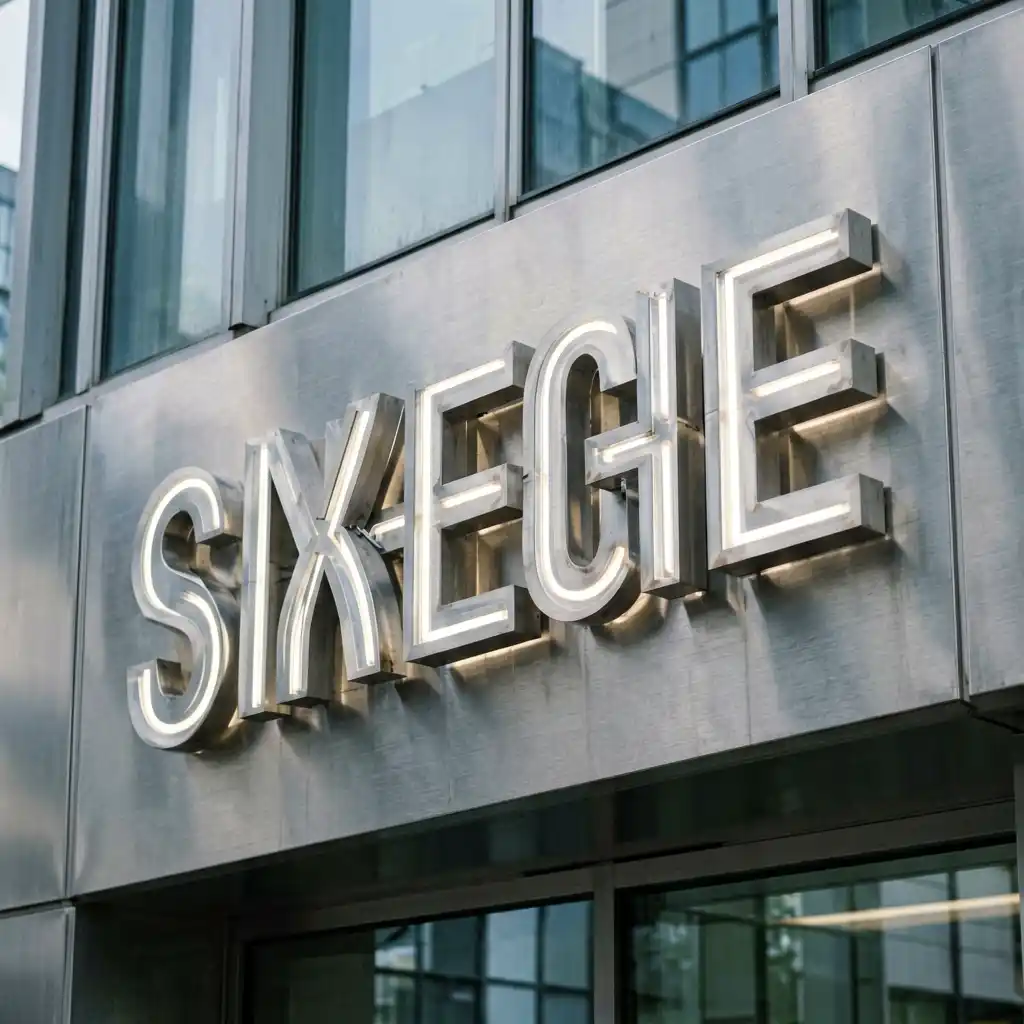
- Stainless steel backlit letter signs combine premium metal construction with halo illumination for a high-end, architectural look that ages gracefully.
- Full-color LED letter signs give you programmable color and dynamic displays when you want maximum attention and flexibility.
Each of these is a genuine long-term replacement for a failing vinyl sign, and all of them outperform vinyl on lifespan and night visibility. If you are still weighing the trade-offs, our guide to front-lit vs back-lit vs neon vs light box breaks down the options, and the outdoor LED signage buyer’s guide walks through sizing, brightness, and compliance.
Cost Factors to Consider
Upfront price is only part of the picture. Over a 10-year ownership window, the total cost of ownership often favors the more expensive illuminated option. Here is what drives the price of each choice.
| Cost Driver | Vinyl Re-wrap | LED Sign | Channel Letters |
|---|---|---|---|
| First install | $500–$1,500 | $2,000–$6,000 | $3,000–$10,000+ |
| Replacement frequency | Every 2–5 years | Rare | Rare |
| Energy cost (night) | $0 (unlit) | Low, LED efficient | Low, LED efficient |
| 10-year total | Highest (repeat re-wraps) | Lowest long-term | Moderate |
Material, size, mounting complexity, and whether you need permits or electrical work all move these figures. The core takeaway: paying more once for a dimensional or monument-style sign typically costs less over a decade than re-wrapping cheap vinyl three or four times.
Bottom Line
If your vinyl-wrapped storefront sign is peeling, faded, or invisible at night, the cheapest fix is rarely the smartest. A fresh vinyl re-wrap gets you 2–5 more years at best; a switch to LED or channel letters gets you 15–20 years of day-and-night visibility, lower maintenance, and stronger curb appeal.
For most business owners, the long-term replacement is an illuminated sign built to last. Contact us for a free quote and we will help you spec the right LED or channel-letter solution for your storefront.