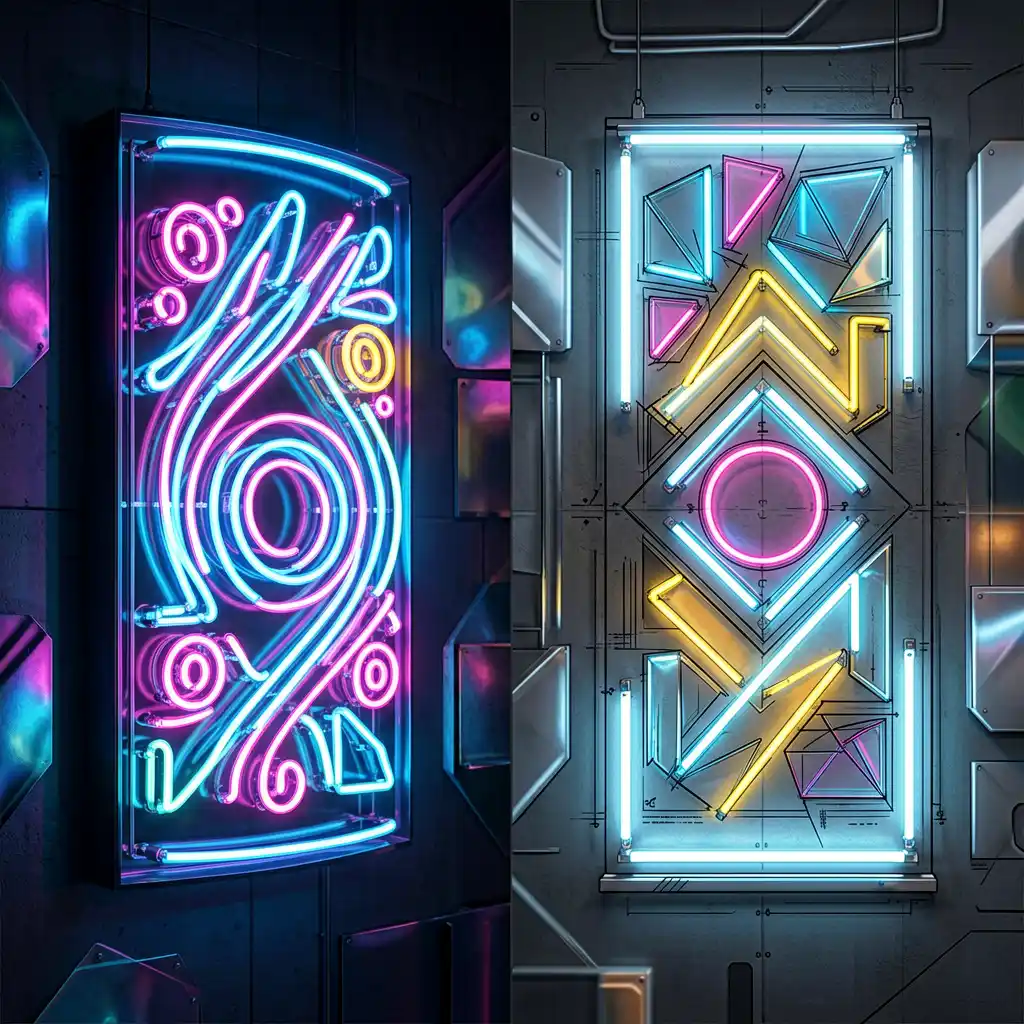
“Should I go with LED Neon or Traditional Channel Letters?”
When you’re designing commercial signage, few decisions create more confusion than choosing between LED neon flex and traditional illuminated letters. Both are popular choices that deliver striking results—but they serve different needs, produce distinct aesthetics, and come with different cost structures. This guide helps you make the right selection for your specific application.
Visual Appearance Differences That Matter
The visual distinction between these two technologies is immediately apparent:
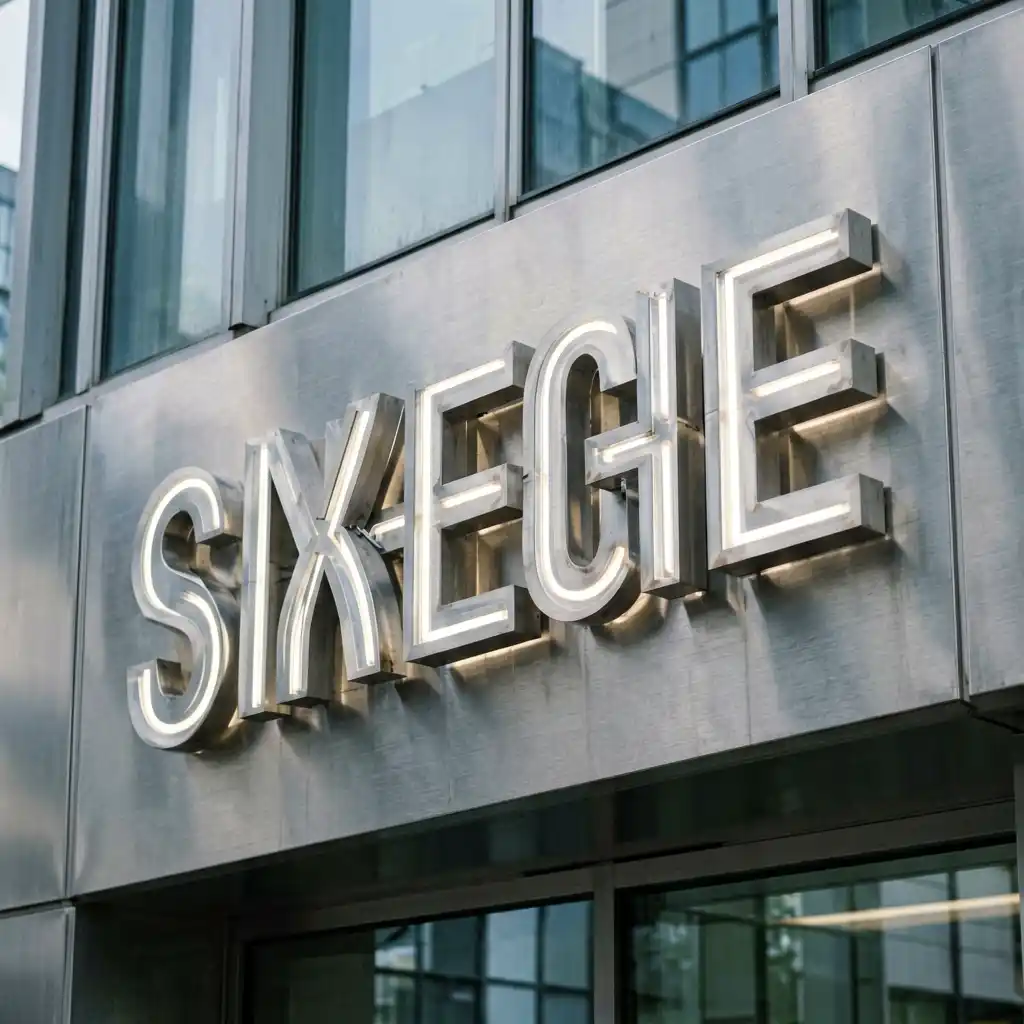
Physical dimensional depth (typically 3″-8″), defined edges, sharp lines of illumination, visible individual bulbs or diffused faces within the letter form, classic professional appearance
Thin profile (often mounted flush to surface), continuous glowing line effect, organic flowing curves impossible with rigid channel letters, vibrant rainbow color capabilities, modern contemporary aesthetic
Key Decision Factors: When to Choose Each Option
Choose LED Neon When…
- You need curved letterforms, logos, or decorative shapes that would be prohibitively expensive or structurally problematic with rigid letters
- Your design calls for multicolor or dynamically changing illumination (RGB capability)
- You want a sleek, modern look with minimal physical protrusion from the mounting surface
- Interior applications with controlled environments (less UV/weather exposure concern)
- Signed below 24″ height where maintaining brightness with neon tube is feasible
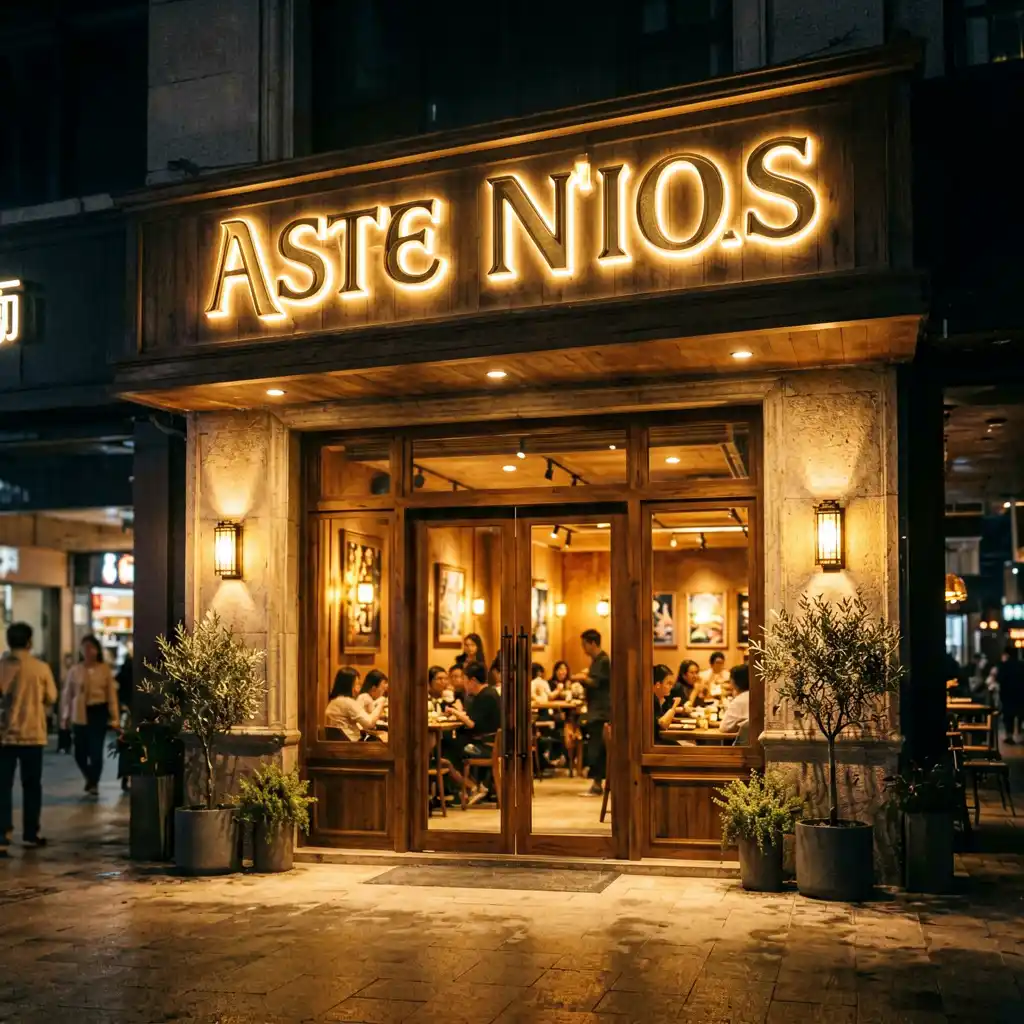
Our Custom Shaped Neon Lights excel in restaurant facades, entertainment venues, bars, nightclubs, boutique retail stores, and any application where distinctive curvilinear forms or dynamic color are part of the brand identity.
Choose Traditional Channel Letters When…
- Maximum daytime readability and legibility is the priority
- You need signage exceeding 24″ in height (larger neon becomes progressively dimmer per linear foot)
- Exposure to harsh weather conditions requires rugged, sealed construction
- Your brand identity relies on clean, geometric, or architectural letterforms
- Budget requires lower upfront costs for large character sets
- Easily accessibility for maintenance and bulb replacement is important
Classic Brass Halo-Lit Letter Signs are ideal for hotel lobbies, medical office buildings, retail strip centers, bank branches, corporate headquarters, and traditional commercial districts where professionalism and durability outweigh considerations about stylistic novelty.
Side-by-Side Technical Comparison
| Factor | LED Neon Flex | Traditional Channel Letters |
|---|---|---|
| Minimum Height | 4″-6″ (practical minimum) | 3″ achievable, 4″ recommended |
| Maximum Height | 24″ (diminishing returns above) | Unlimited (structural considerations only) |
| Curved/Shaped Capability | Excellent—fully flexible | Limited—requires fabrication complexity |
| Daytime Visibility | Moderate (glow only active when lit) | Excellent (physical form always visible) |
| Nighttime Brightness | High—uniform continuous glow | High—can achieve equivalent brightness |
| Lifespan (hours) | 30,000-50,000 | 50,000+ (with quality LEDs) |
| Energy Consumption | Lower per linear foot | Higher for same coverage area |
| UV Resistance | Moderate (requires silicone coating) | Excellent (sealed aluminum housing) |
| Maintenance Difficulty | Moderate (flex sections require replacement if damaged) | Low (individual modules easily replaced) |
Real-World Application Scenarios
Scenario A: Boutique Retail Storefront
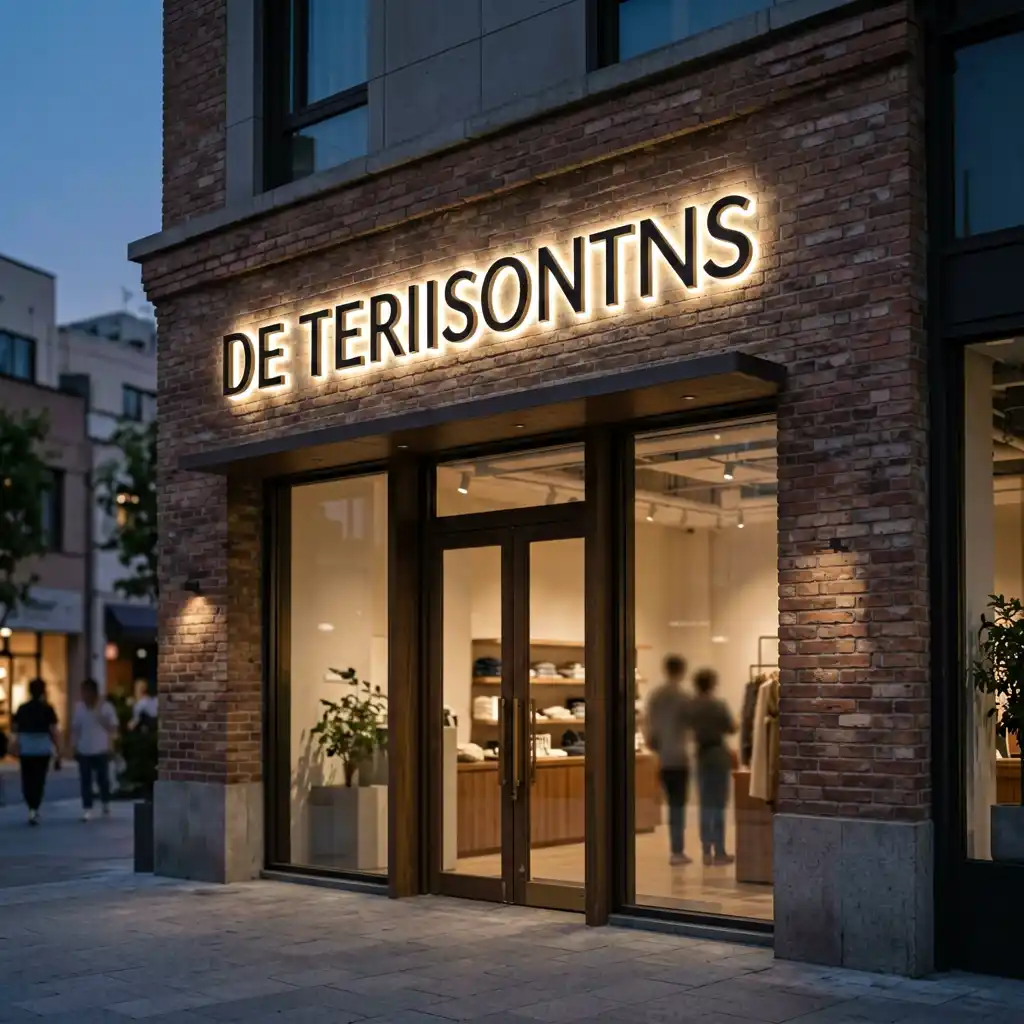
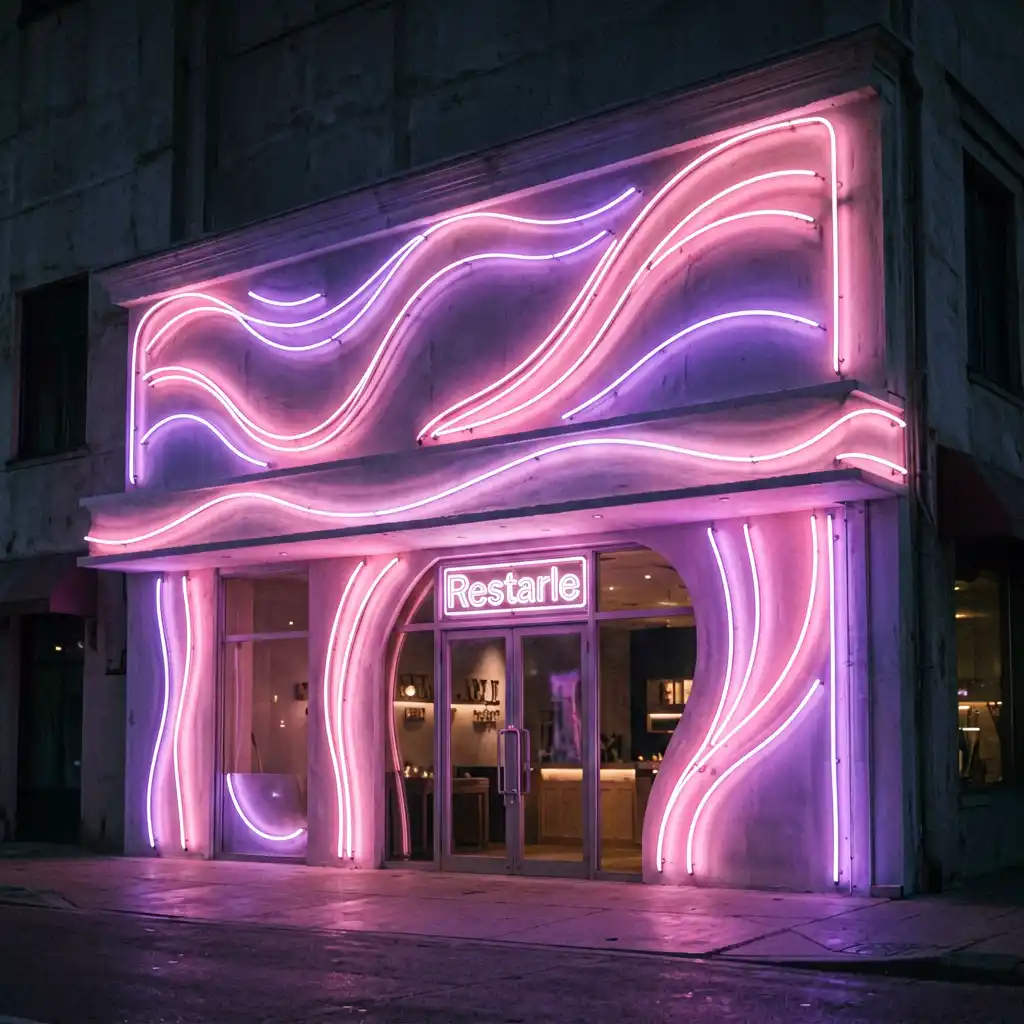
A downtown fashion boutique wanted signage reflecting both elegance and creativity. They chose custom neon forming their logo name with cursive script because rigid channel letters couldn’t achieve the graceful curves without excessive expense. The flush-mounted application preserved storefront sightlines while delivering strong nighttime brand recall.
Scenario B: Medical Office Building Facade
An outpatient clinic replacing outdated signage prioritized professional appearance, durability, and low maintenance throughout the year. Their selection focused on stainless steel back-lit channel letters providing crisp day/night visibility, weatherproof construction, and straightforward service access—perfect for their institutional context.
The Hybrid Solution Approach
Many successful installations creatively combine both technologies. For example, some businesses use channel letters for the main brand name (maximum readability) and incorporate neon accent elements around or beneath for decorative flair—the best of both worlds. Our Brand Identity Signage consulting process routinely explores hybrid combinations that meet both functional and aesthetic objectives.
Frequently Asked Questions
Is LED neon as durable as traditional channel letters?
Quality silicone-coated LED neon flex designed specifically for signage applications offers robust performance when installed correctly. However, extreme impacts or abrasion damage to a neon segment typically requires section replacement, whereas channel letters allow easier module-level repair. Outdoor-rated neon should be specified in all exterior applications.
Which option provides better visibility from a distance?
At distances beyond 50-75 feet, traditional channel letters generally maintain superior clarity due to their three-dimensional structure and higher achievable brightness levels. Neon excels within roughly 50 feet where its continuous glow creates immediate visual attraction.
Can LED neon replace glass neon tubes?
Absolutely. LED neon flex delivers similar continuous luminous effects to traditional glass neon—without the fragility, mercury content, high-voltage requirements, and specialized fabrication infrastructure. LED neon operates at safer voltages and is far easier to install and maintain.
Which has lower energy consumption?
LED neon typically uses 30-50% less energy than equivalent incandescent channel letters and roughly comparable quantities to modern LED-filled channel letter systems. Both represent massive efficiency gains over older neon glass technology.
To determine which solution best suits your business, visit us for Retail & Storefront Signage consultation—we’ll analyze your specific application, environmental factors, and brand goals before recommending the optimal signage approach.